Hanoi, Vietnam, February 17th 2024
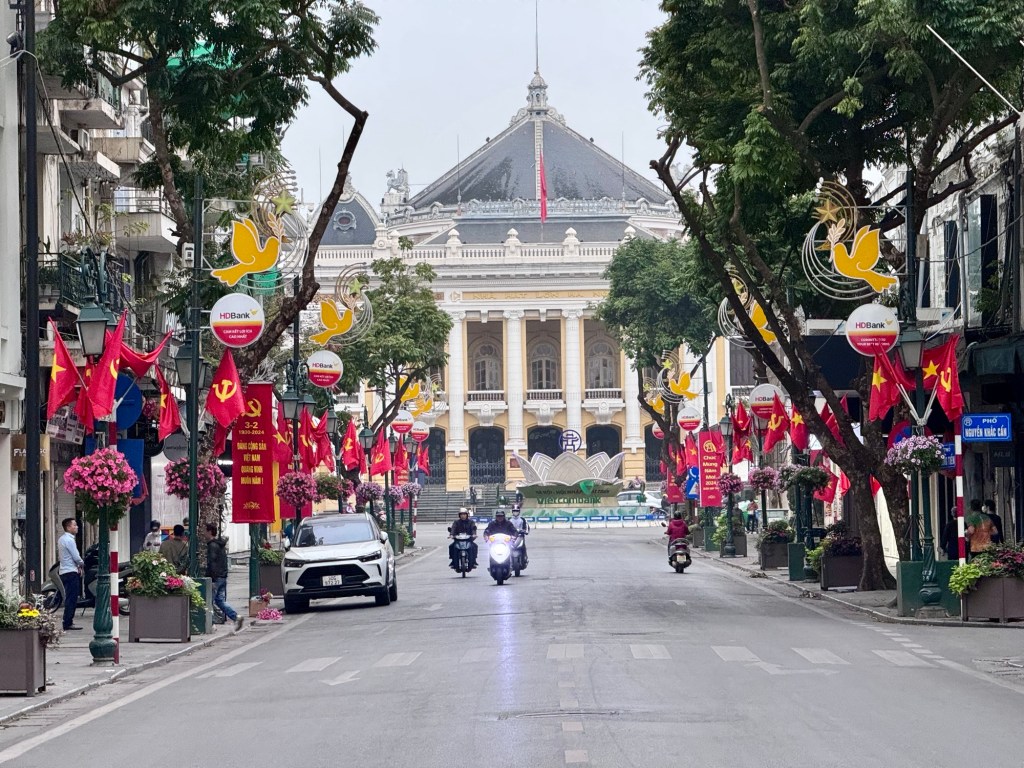
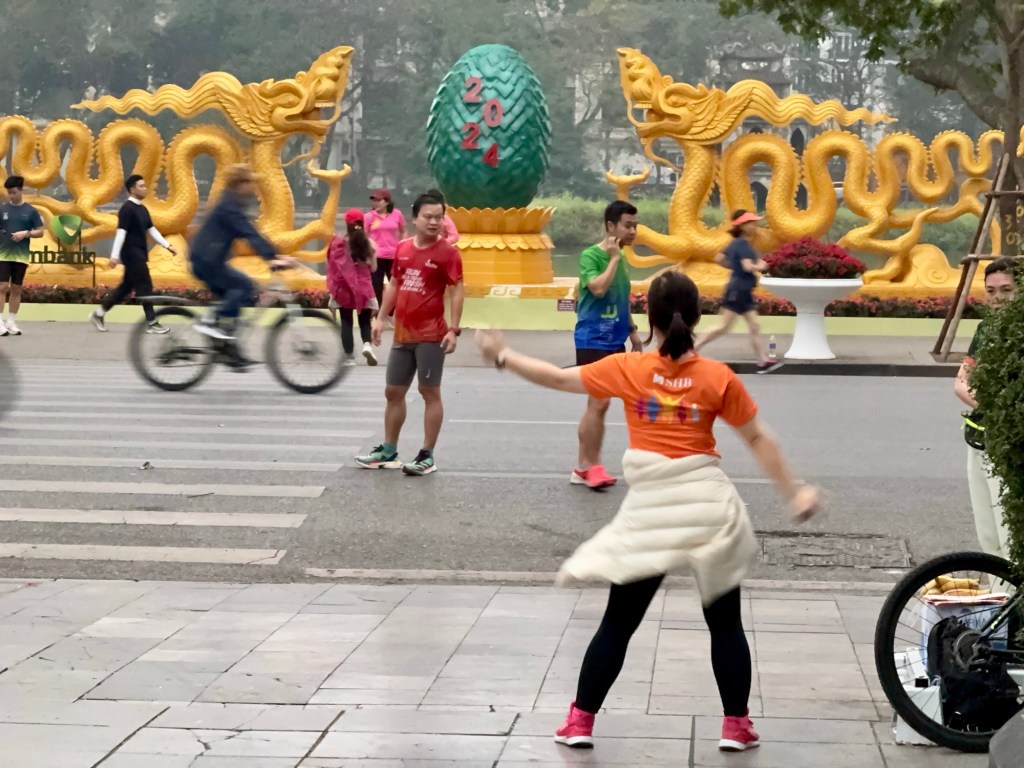
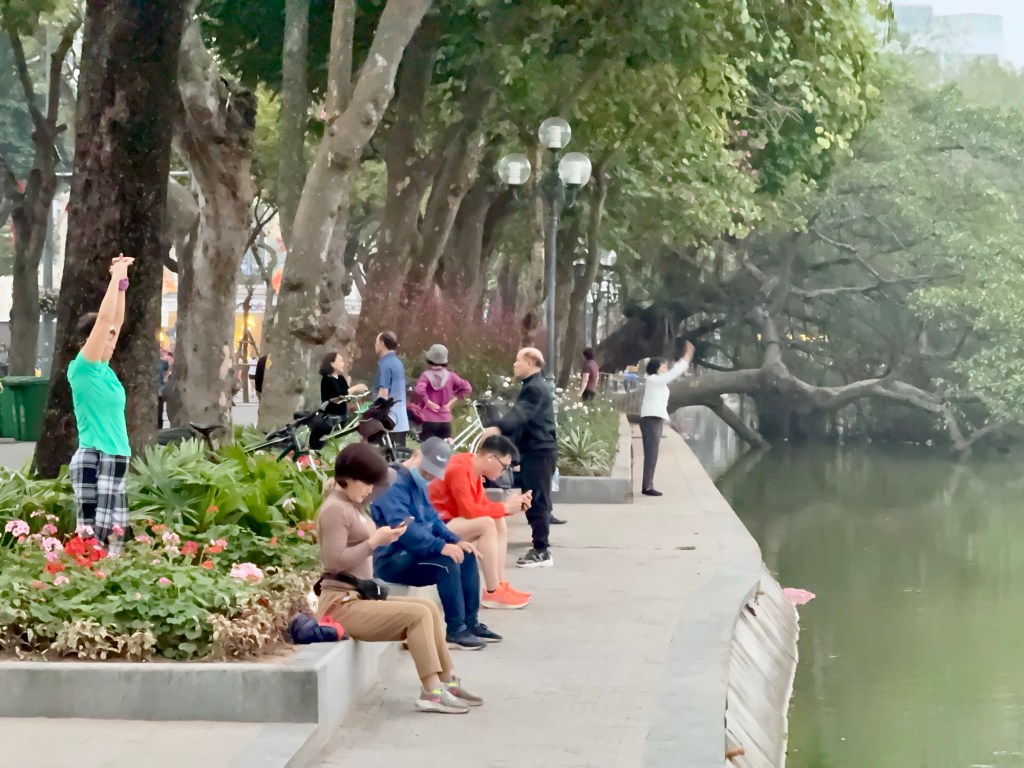
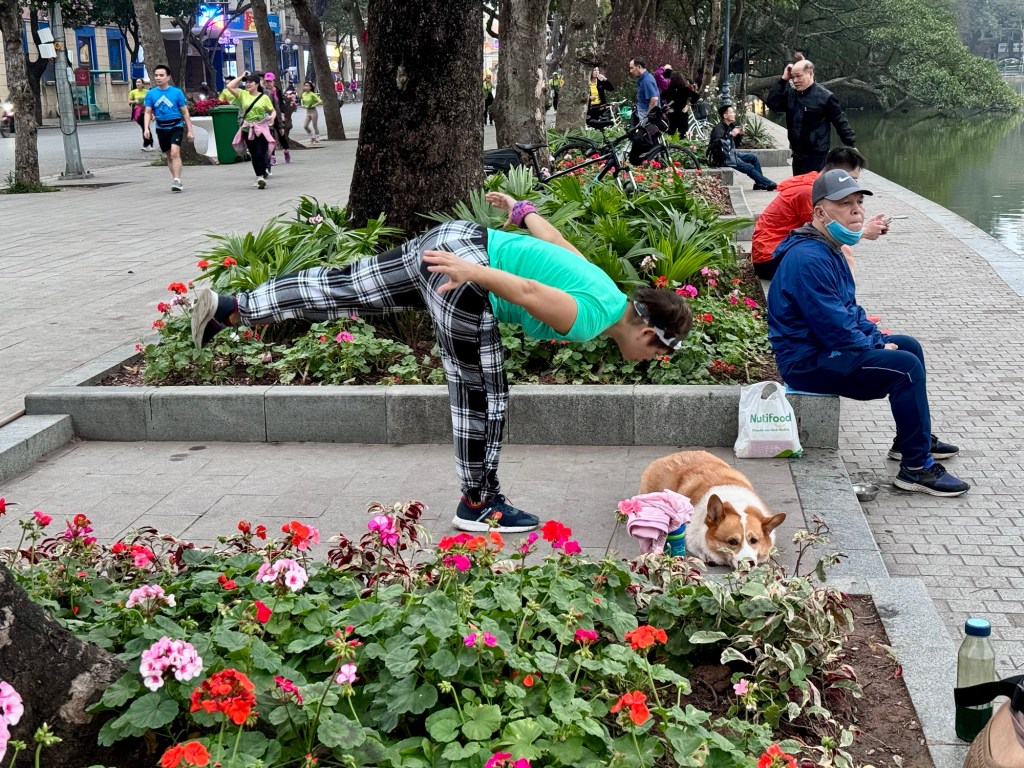
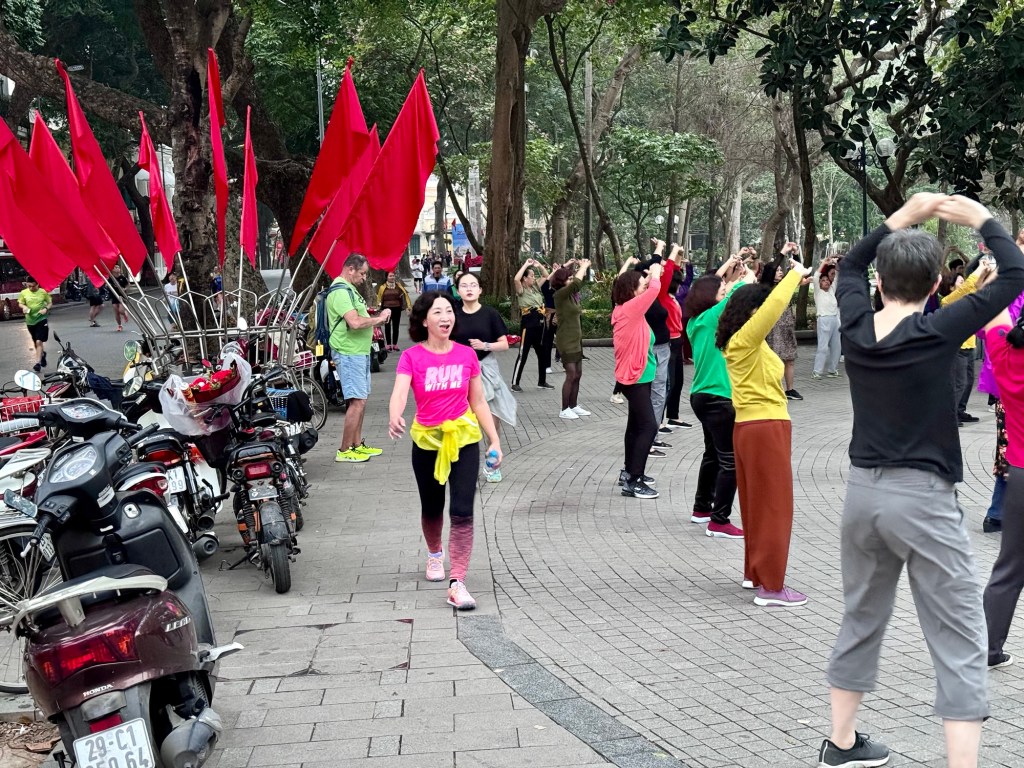
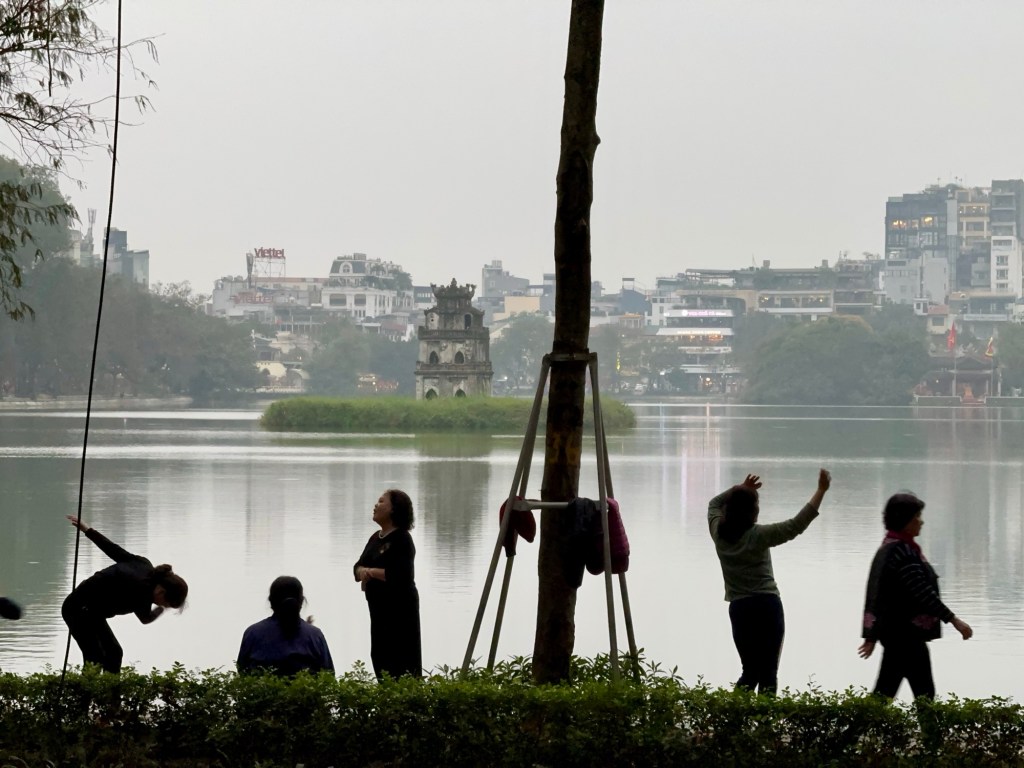
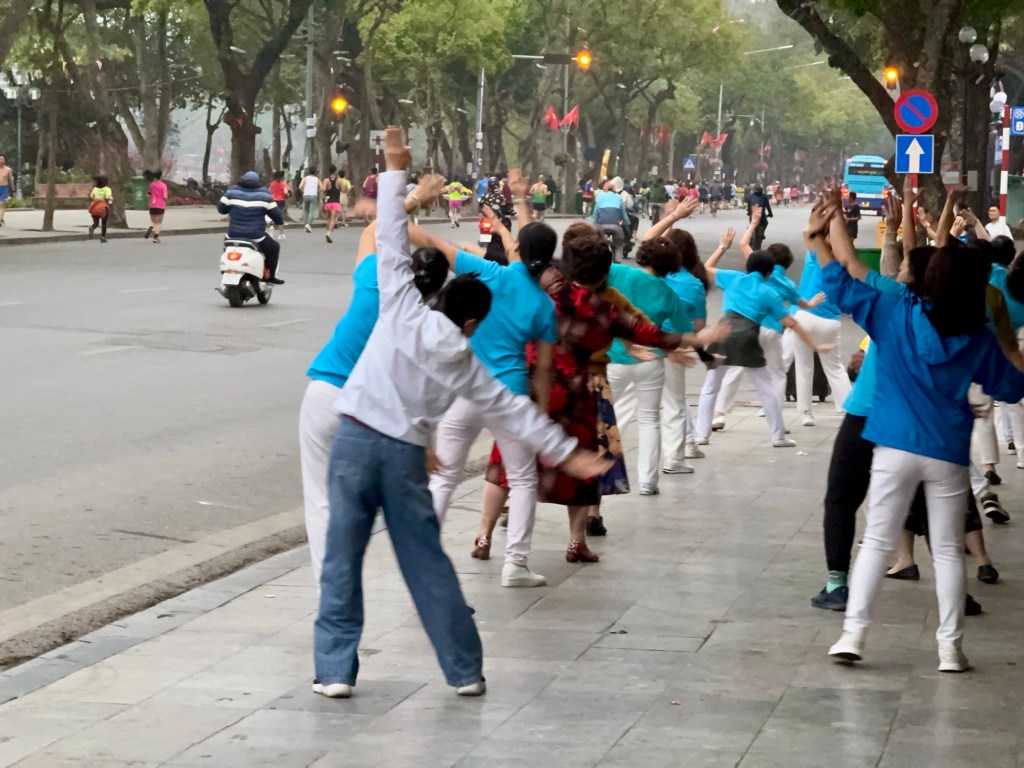
I started with an early morning walk to see local residents having their morning exercise, be it dancing, gymnastics, running or bicycling. The streets and the temperature are cooler this early in the day.
To start today’s sightseeing our guide picked us up from the hotel, and our journey commenced with a visit to one of Hanoi’s most picturesque and well-preserved structures, the Temple of Literature.
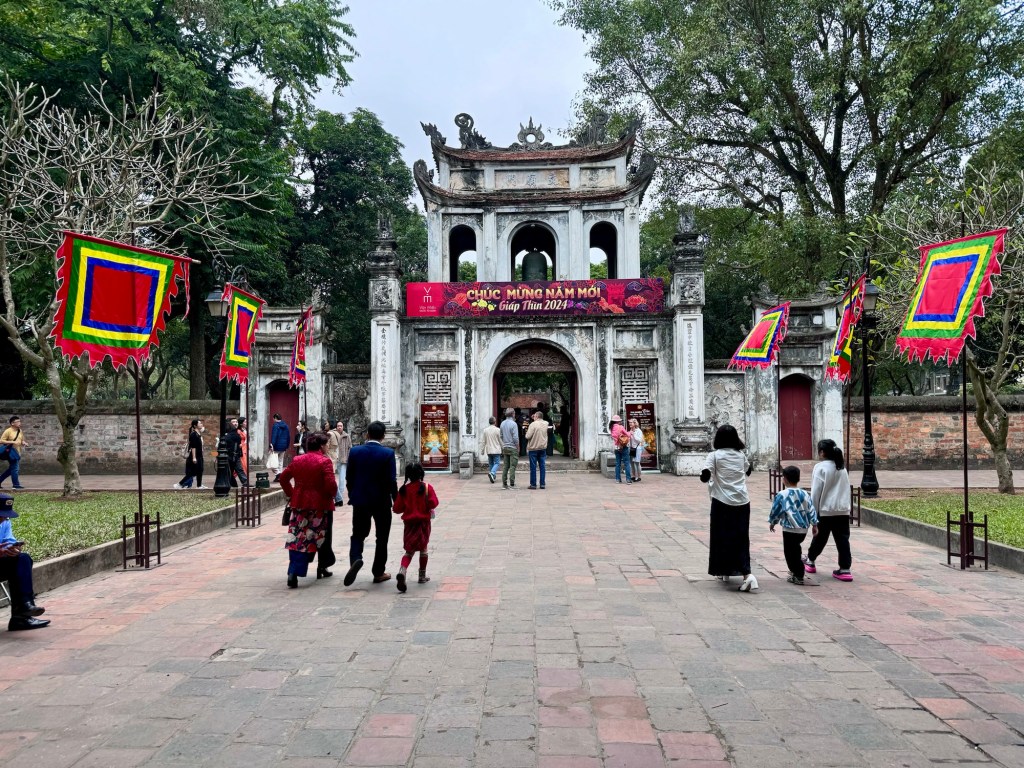
An exemplary showcase of traditional Vietnamese architecture, it was established as a university in 1070, where the country’s powerful mandarins were educated in accordance with Confucius’ teachings.
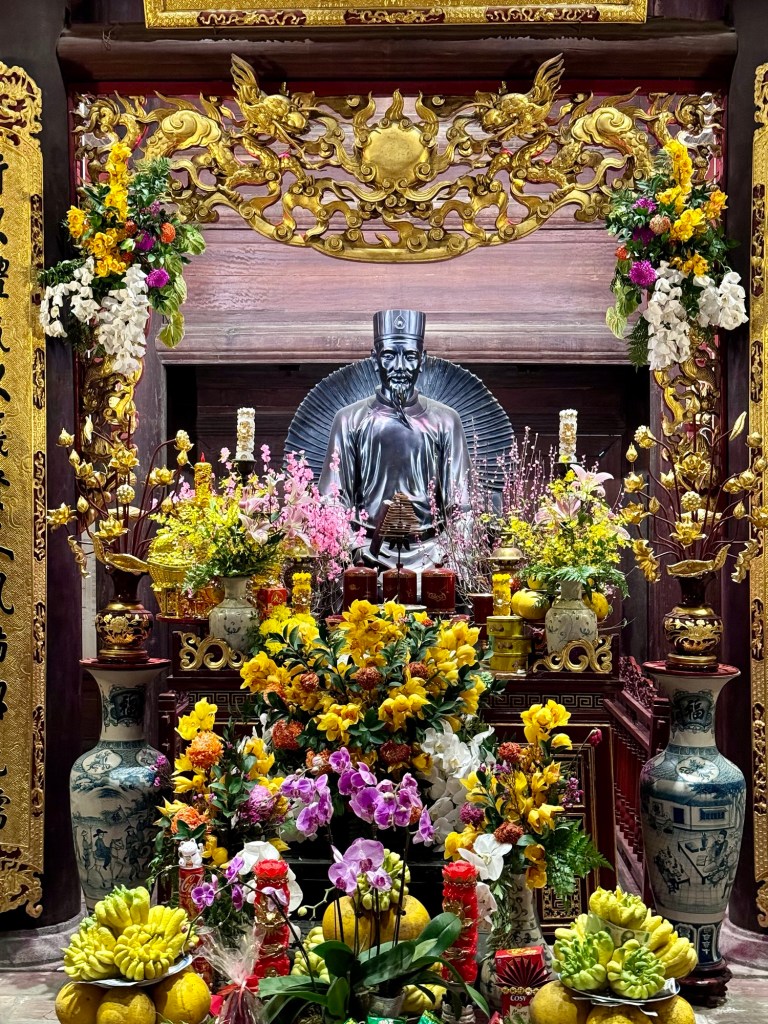
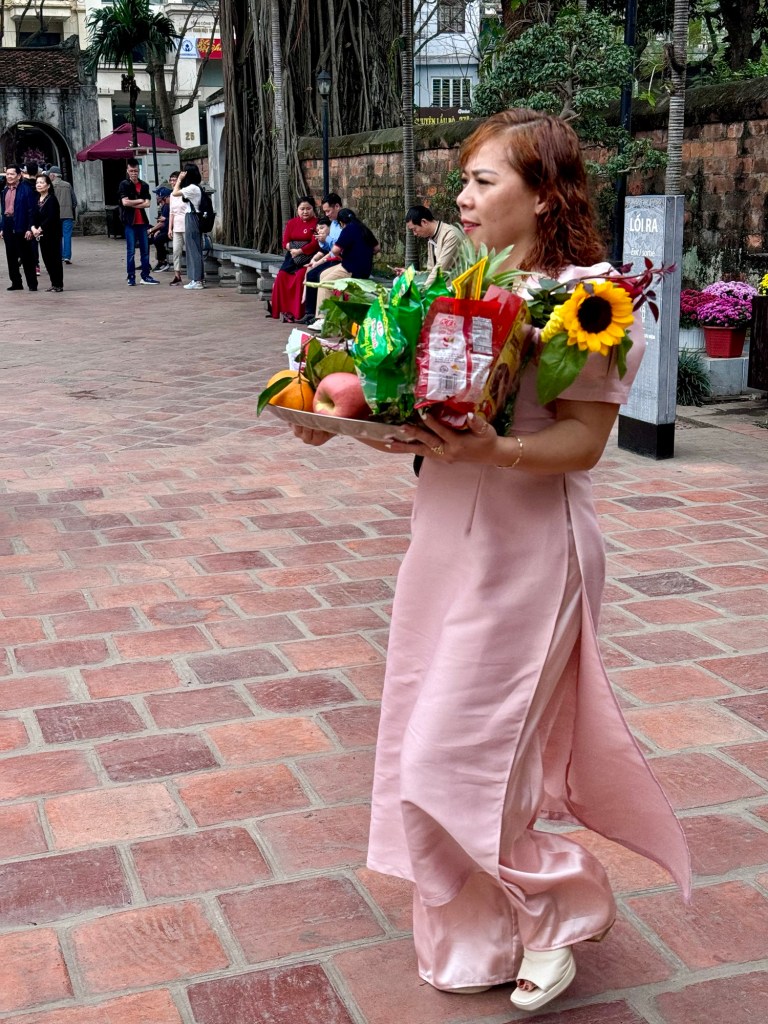
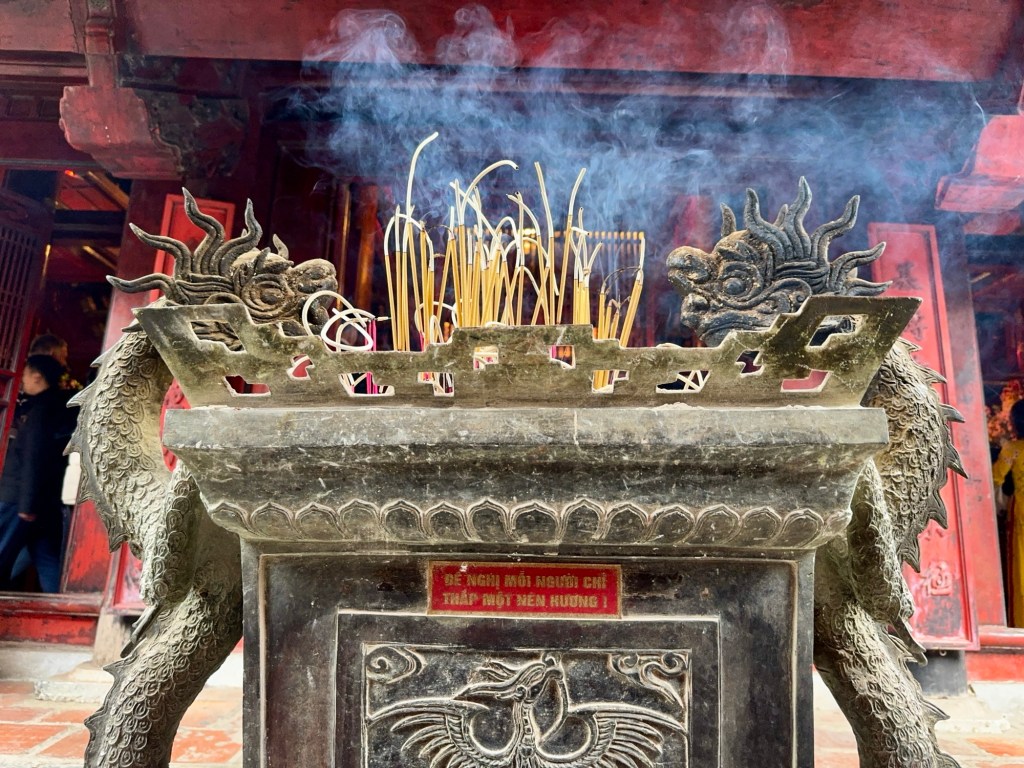
The premises also encompass various courtyards with beautifully designed gardens, providing a serene retreat for students.
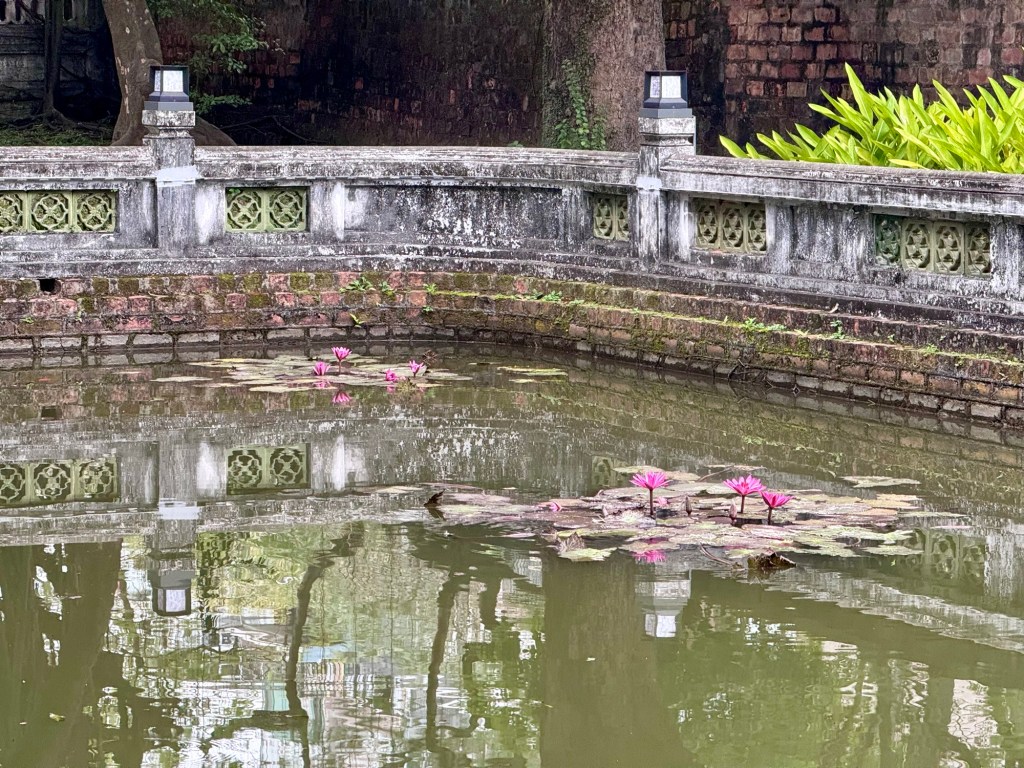
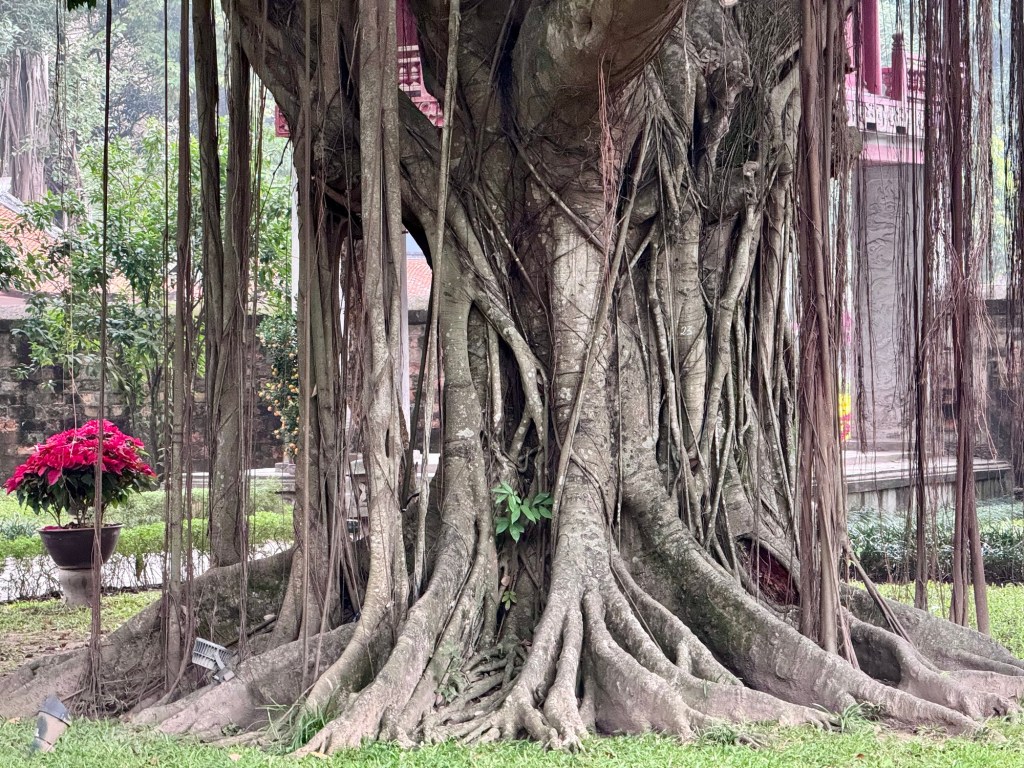
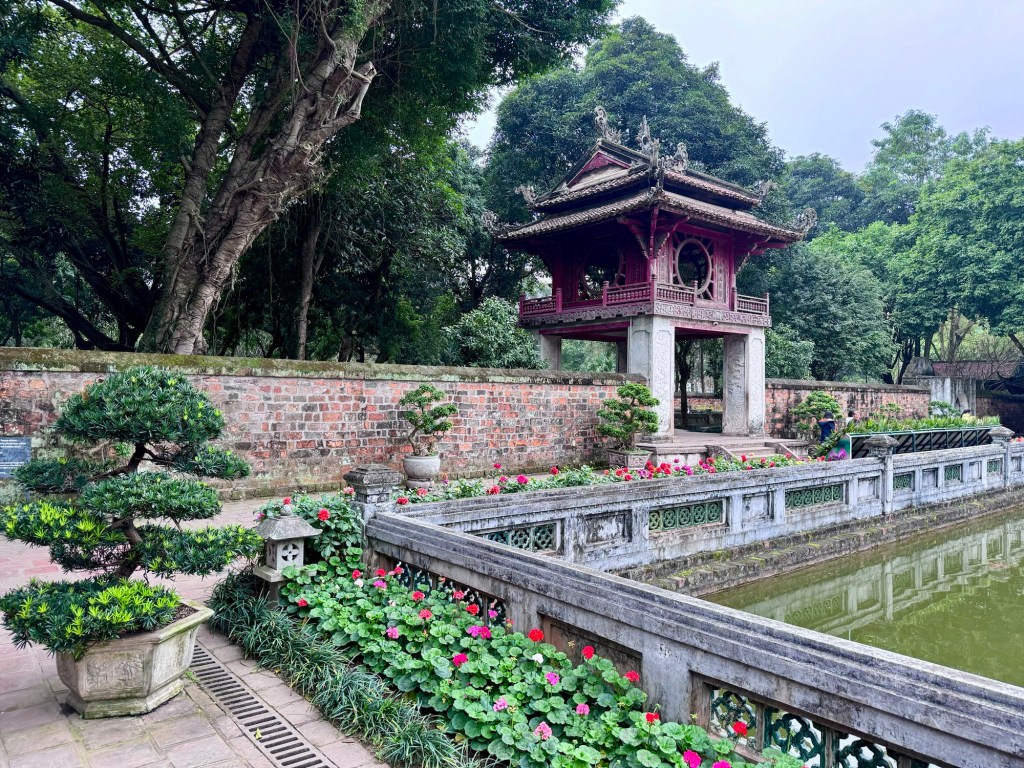
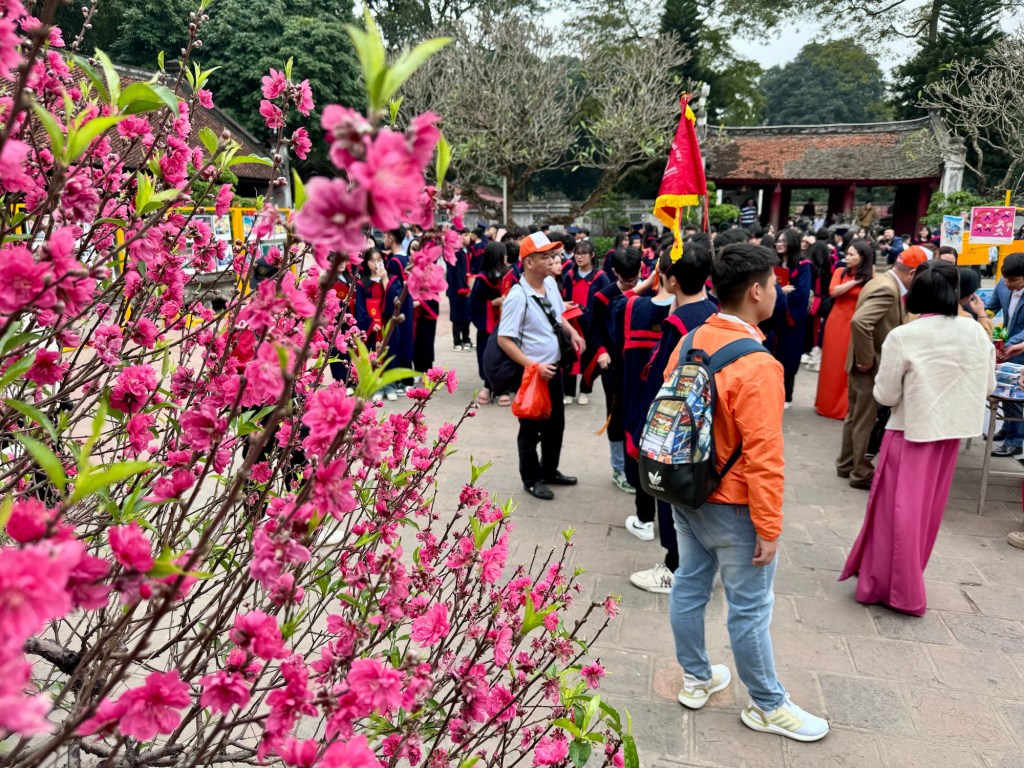
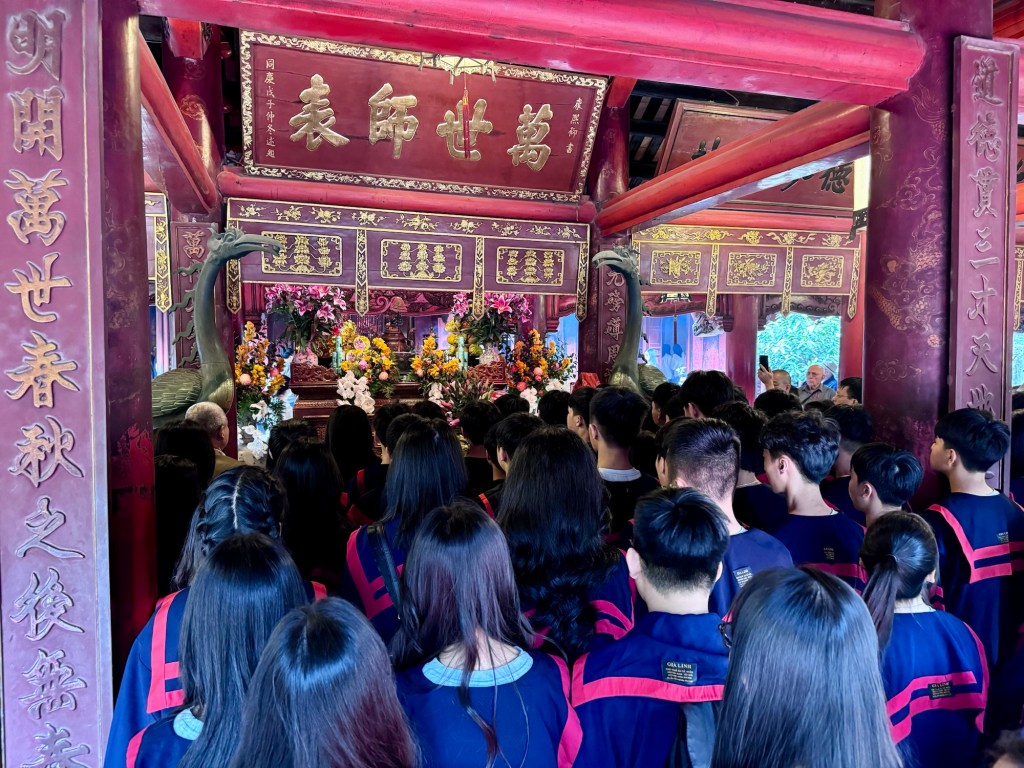
During our visit, we saw several groups of students coming to get their graduation pictures taken, some of them having travelled for hours.
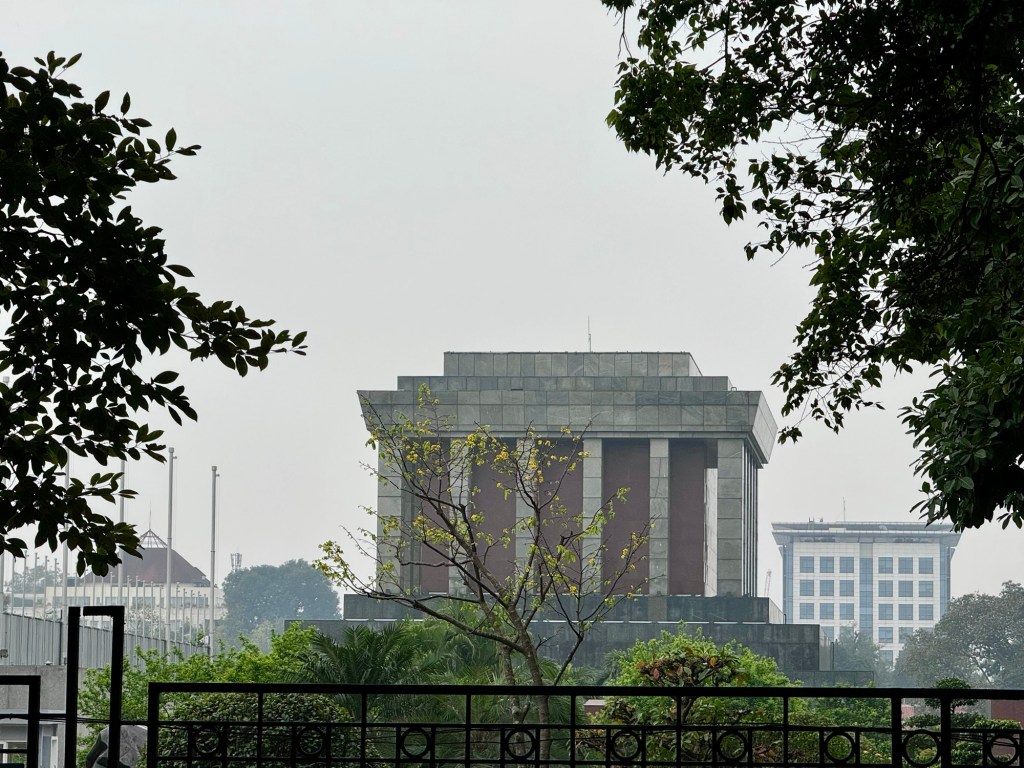
Next on our itinerary was the Ho Chi Minh Mausoleum, situated on Ba Dinh Square. This is where the iconic father of the nation, Ho Chi Minh, rests, having led Vietnam’s fight for freedom against French colonization.
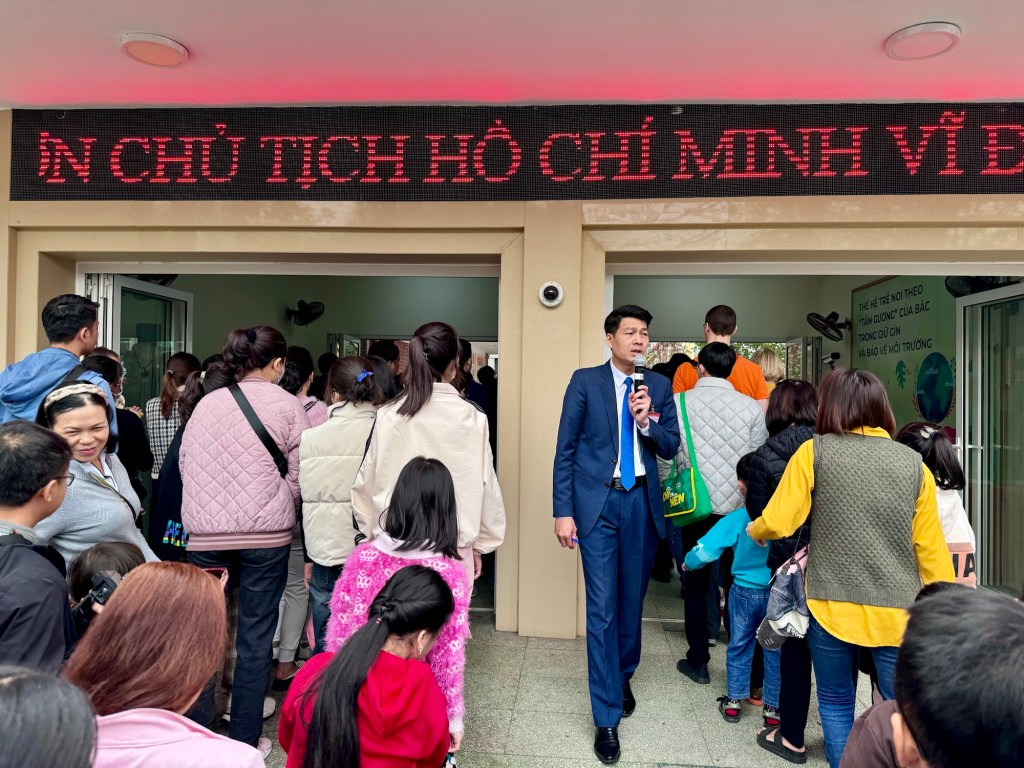
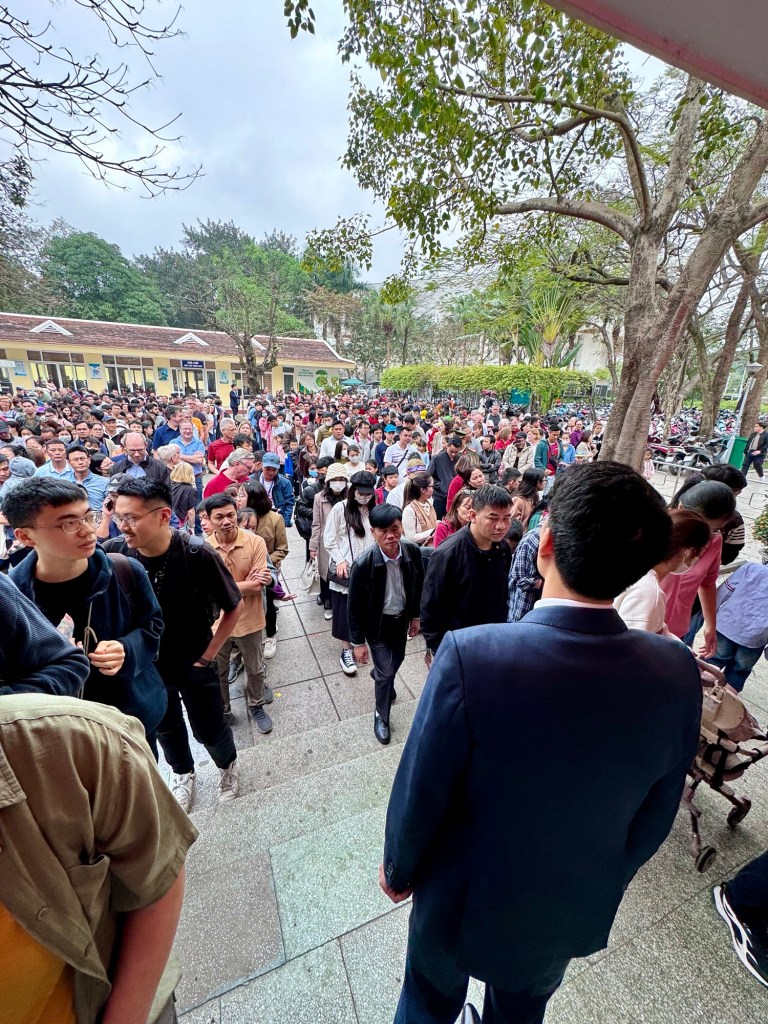
The queues to get into the compound was meticulously organised by officers with megaphones and public announcement systems.
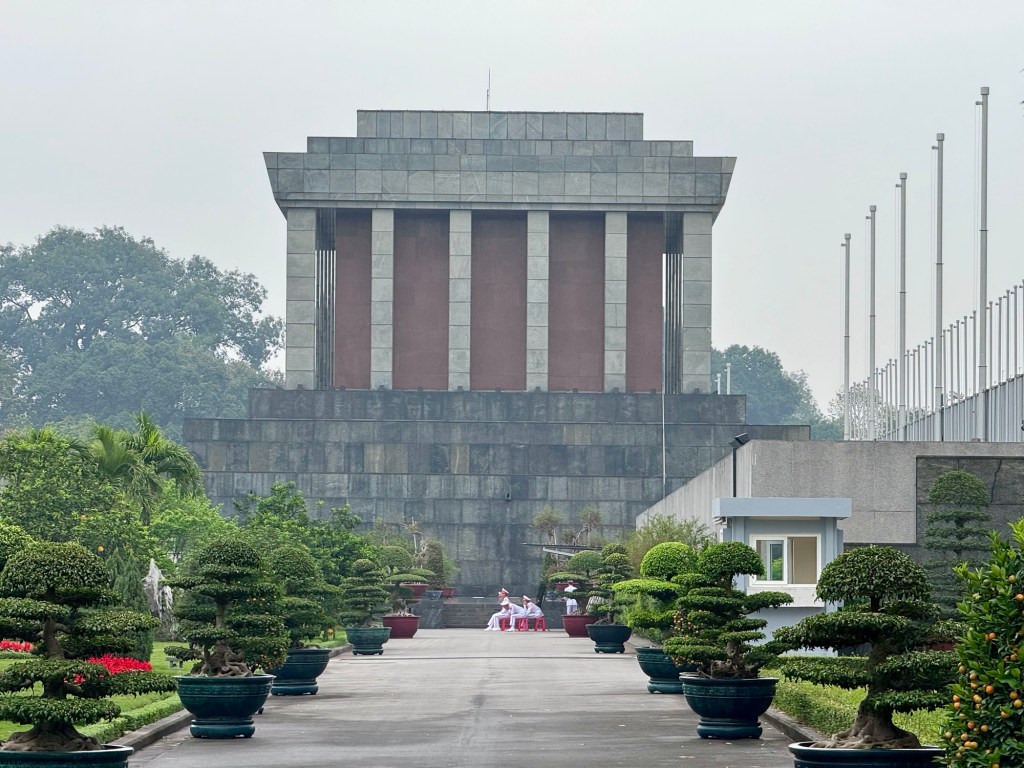
Built in 1973, the mausoleum mirrors the design of Lenin’s mausoleum in Russia.
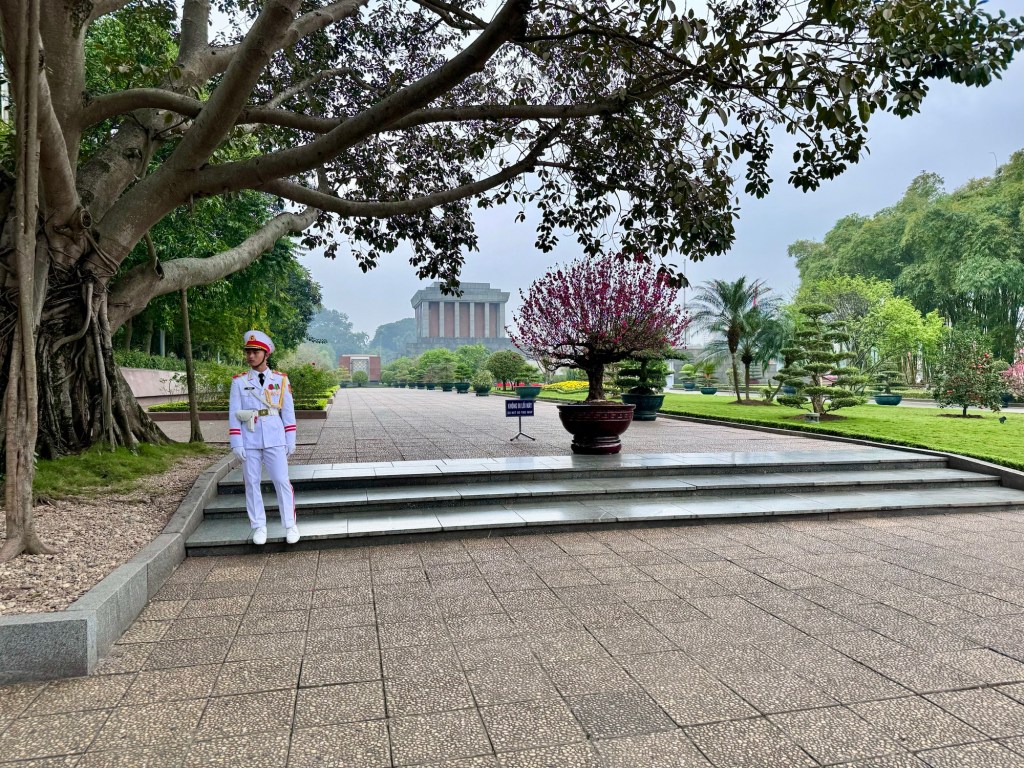
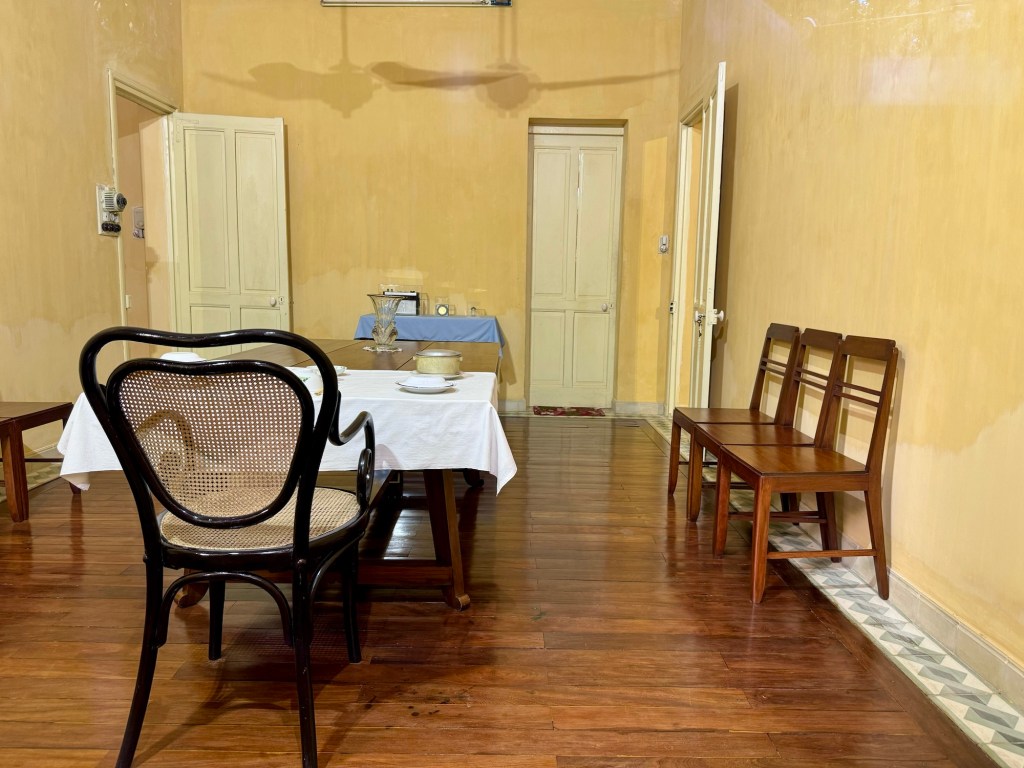
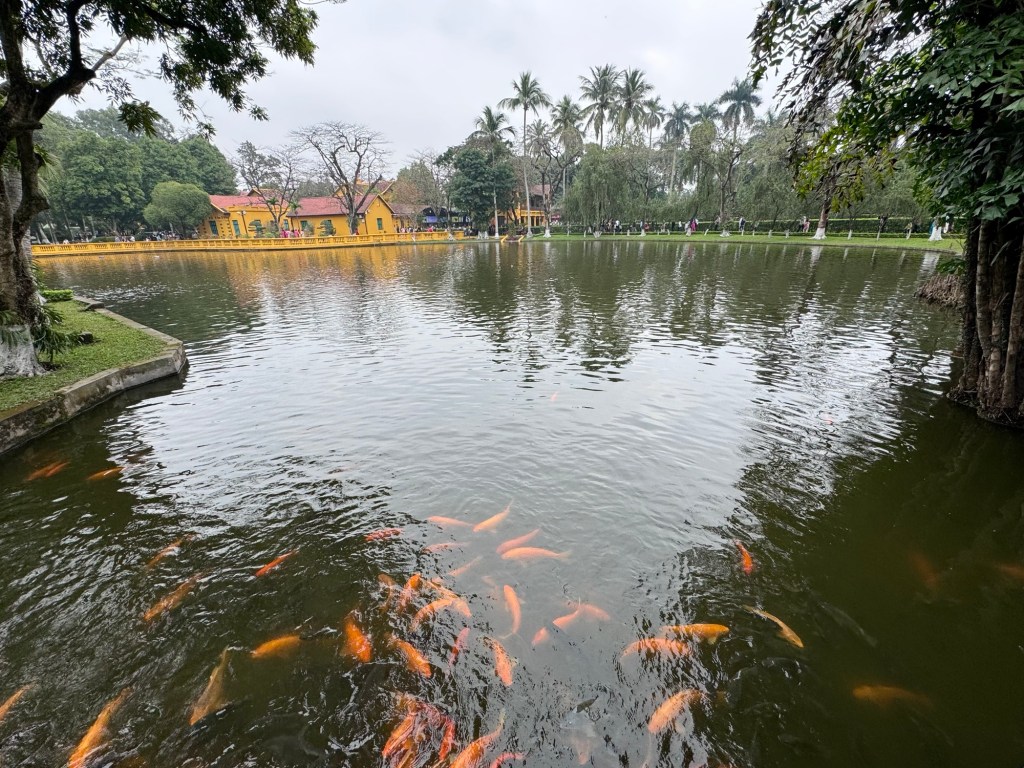
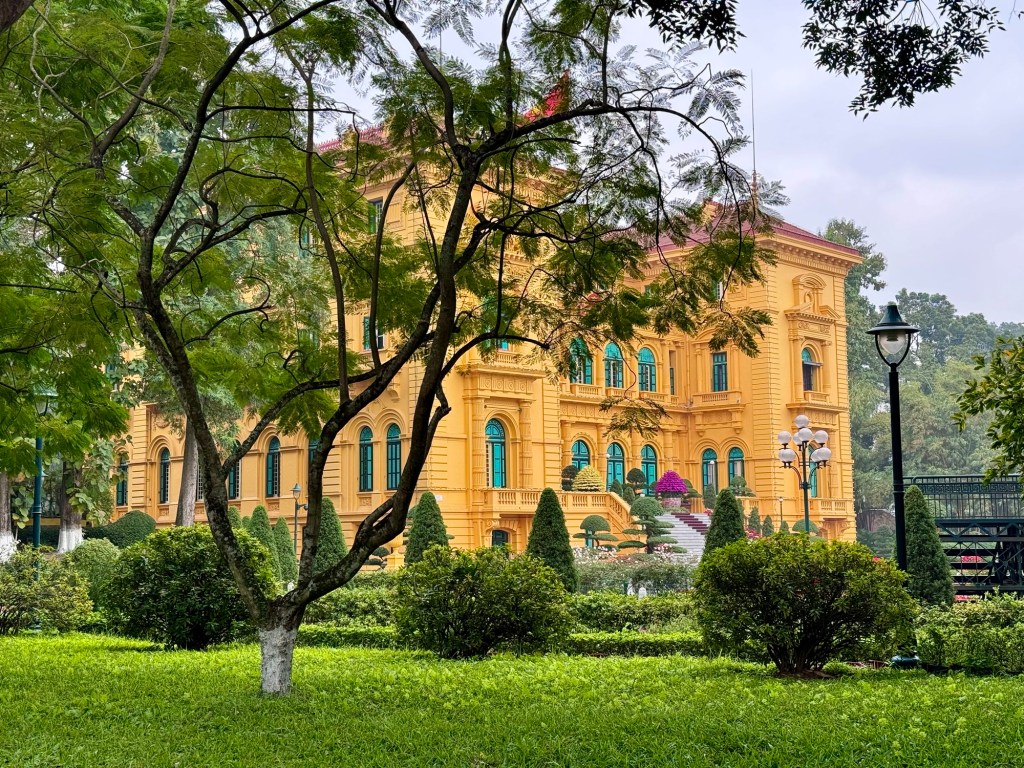
We also visited his humble residence, now situated in a park nearby the mausoleum, where the old french governor palace also was situated.
Our morning tour ended in the Thang Long Imperial Citadel, designated a UNESCO World Heritage Site in 2010. Serving as the political center for over a millennium, ongoing research and excavations continue to unveil its historical significance.
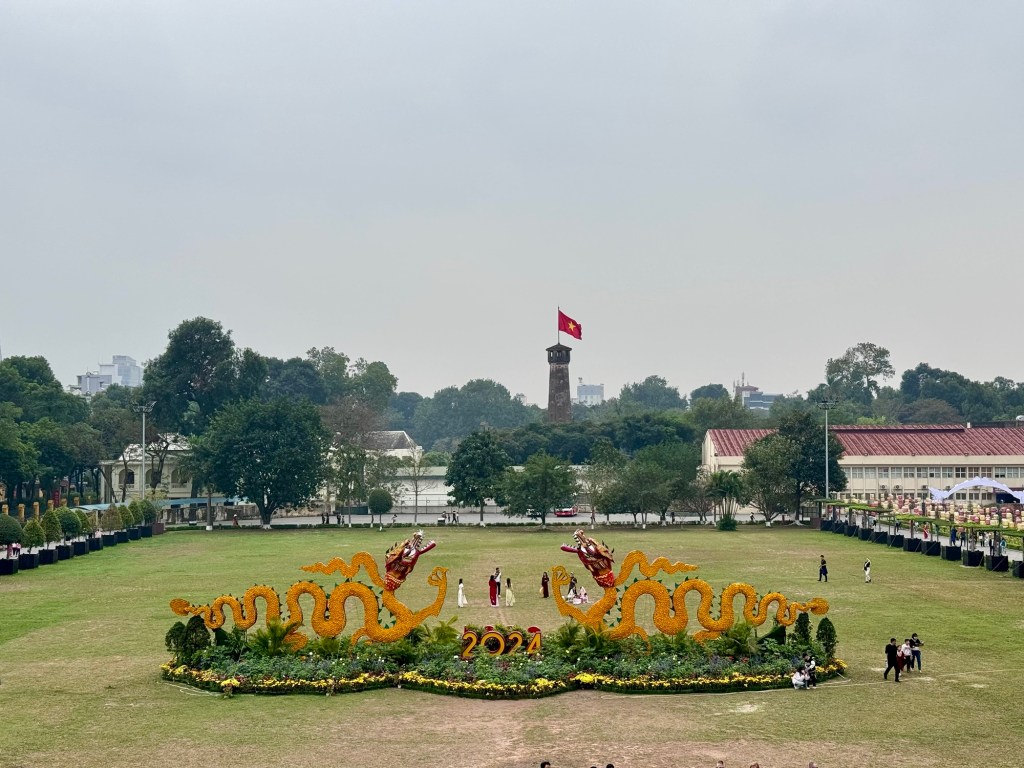
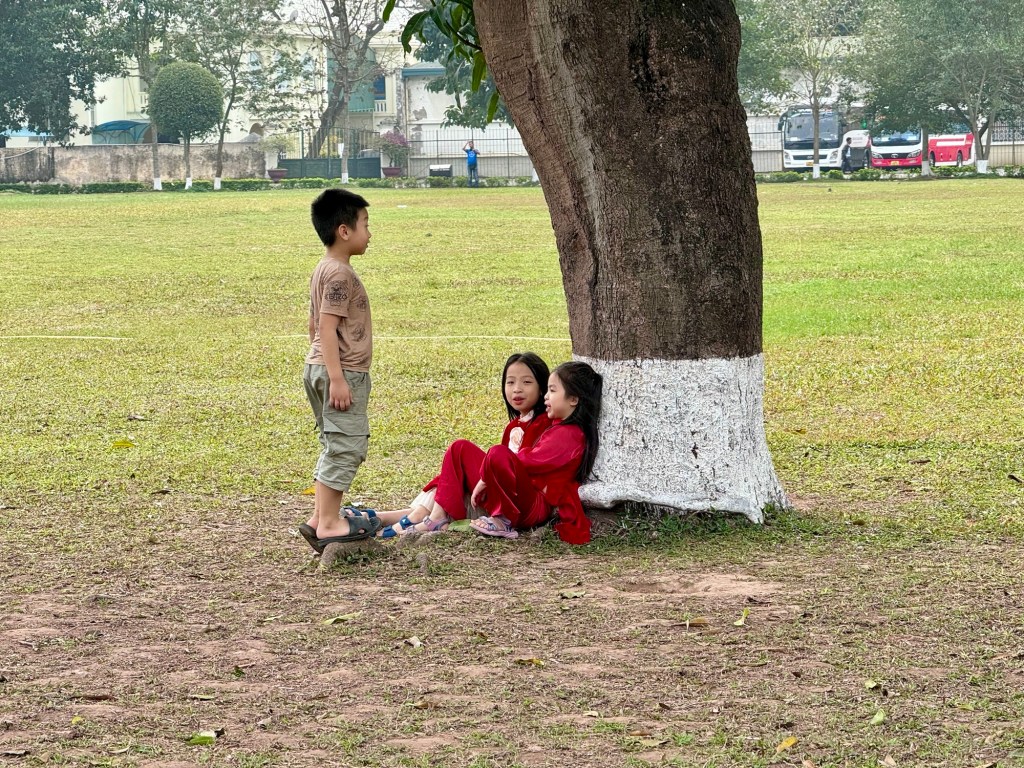
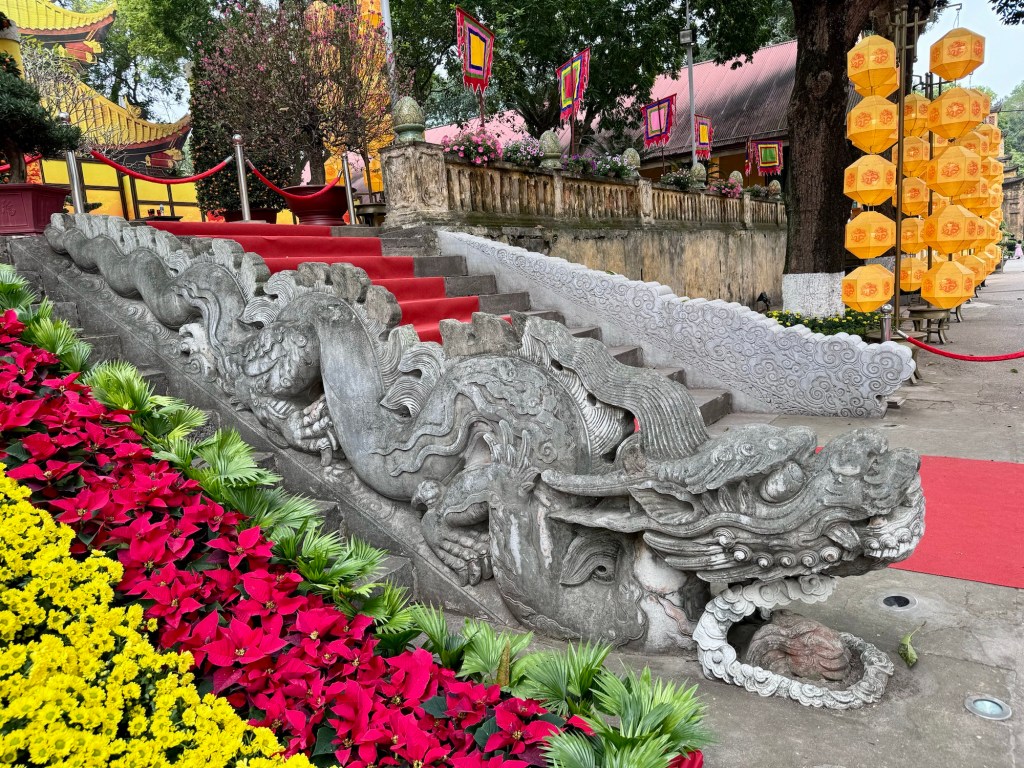
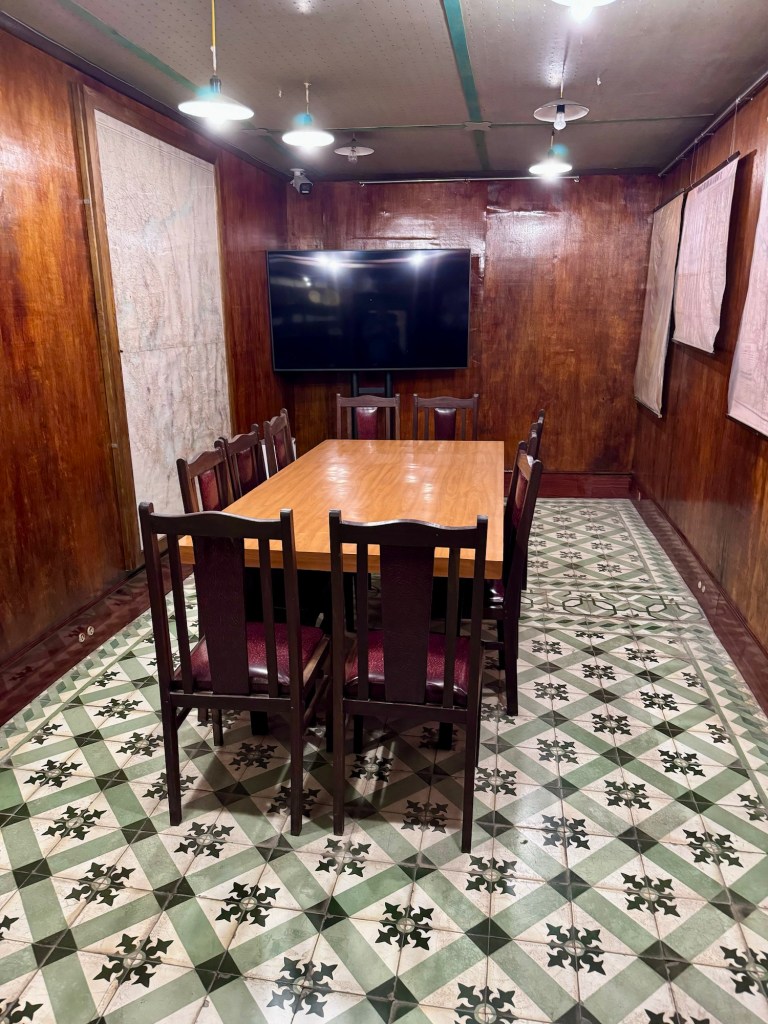
In this citadel, we also had the chance to visit one of the bunkers used during the Vietnam was for the defence of Hanoi during the American bombing raids.
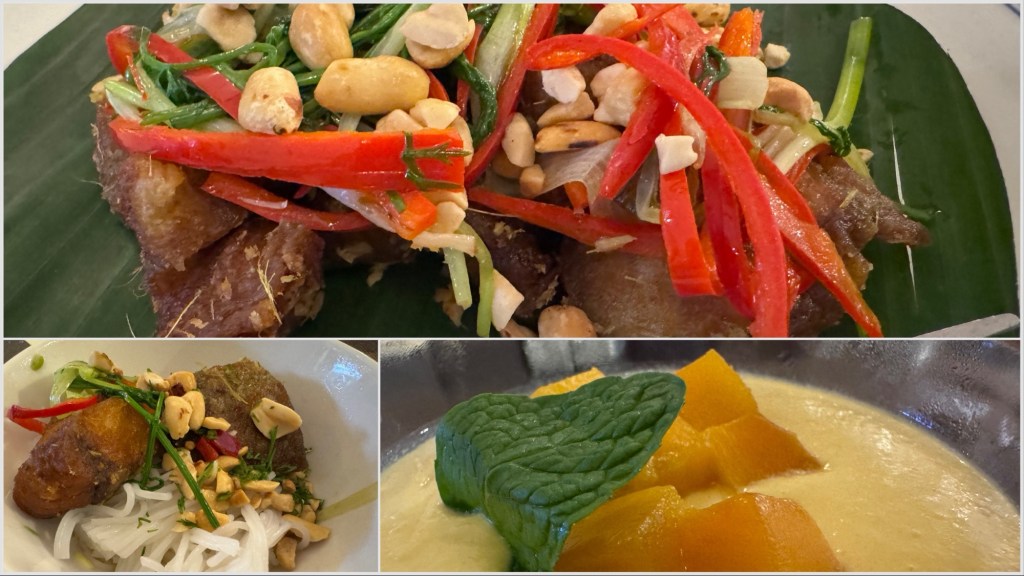
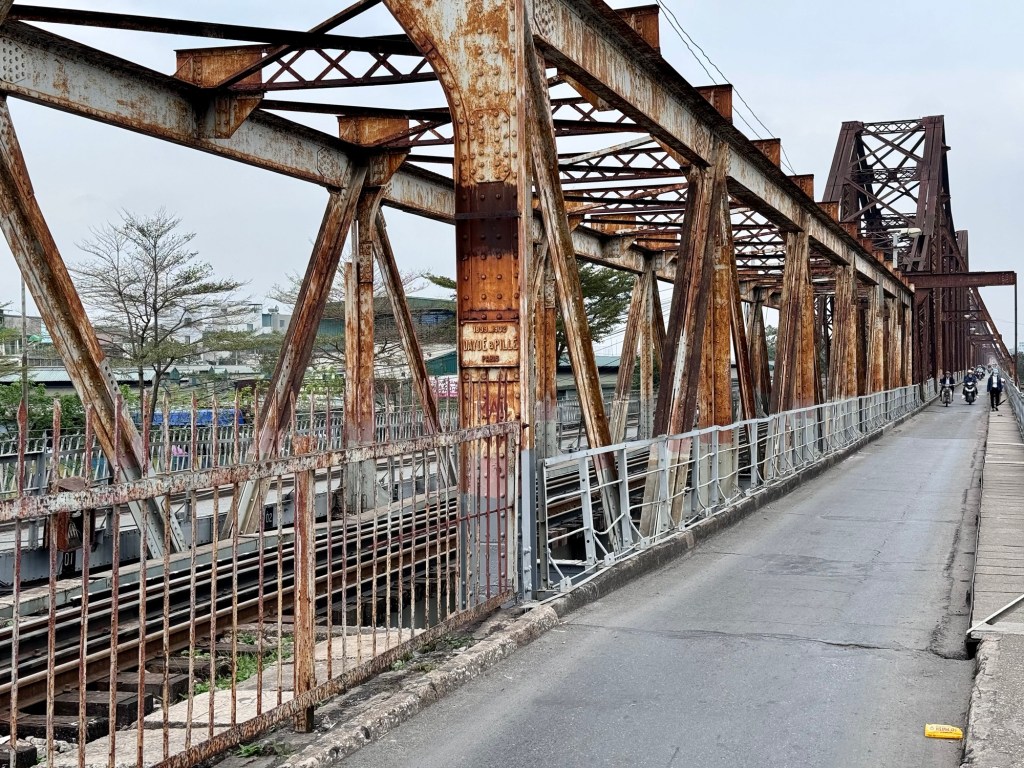
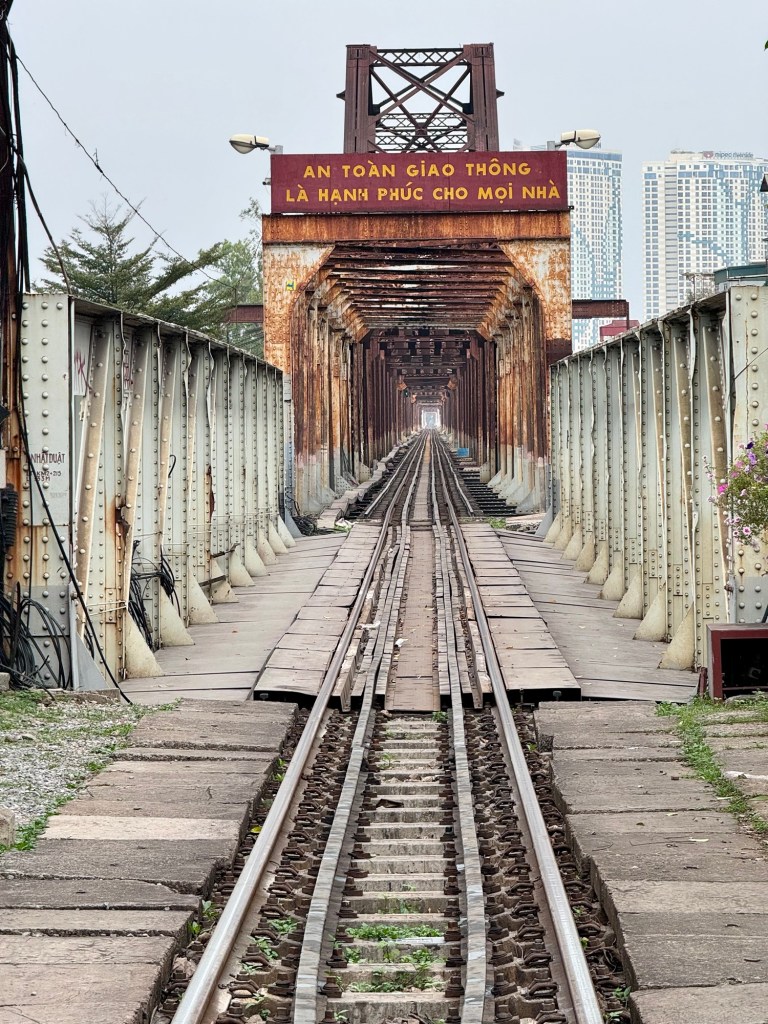
Following a delightful Vietnamese lunch our journey then led us to the historically significant Long Bien Bridge over the Red River.
Constructed by the French colonial power, it was completed in 1903 as a strategically important point to maintain control over Northern Vietnam. Today, the bridge bustles with cyclists, mopeds, and pedestrians, retaining its significance in the capital’s identity and often referenced in songs and poems.
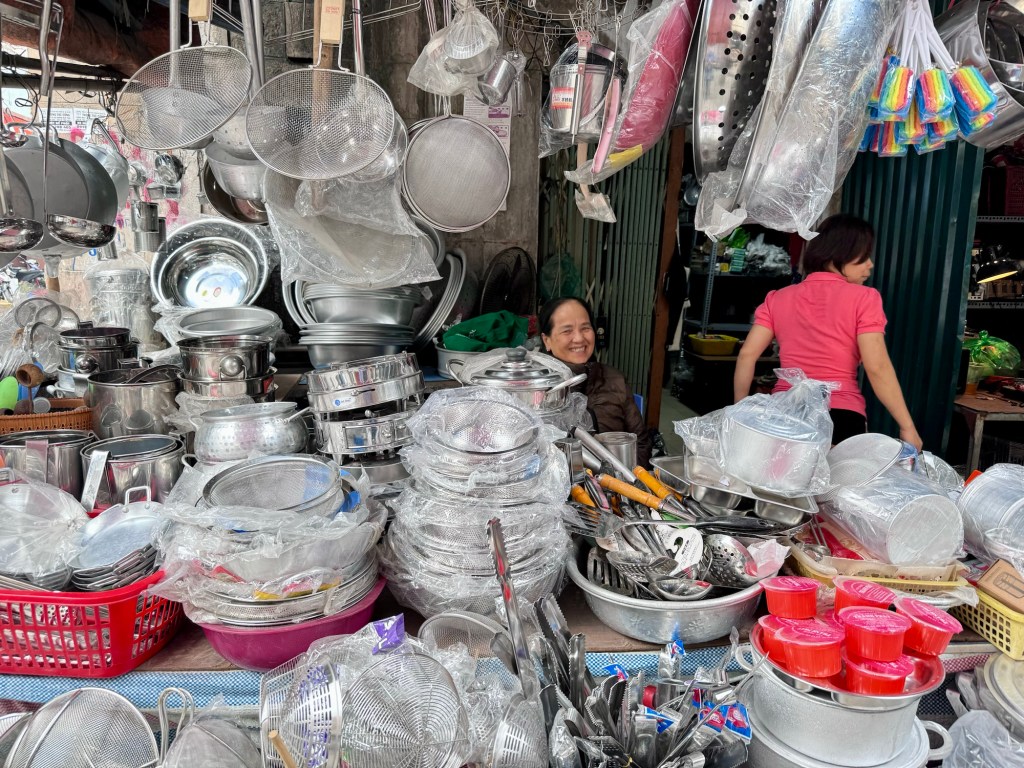
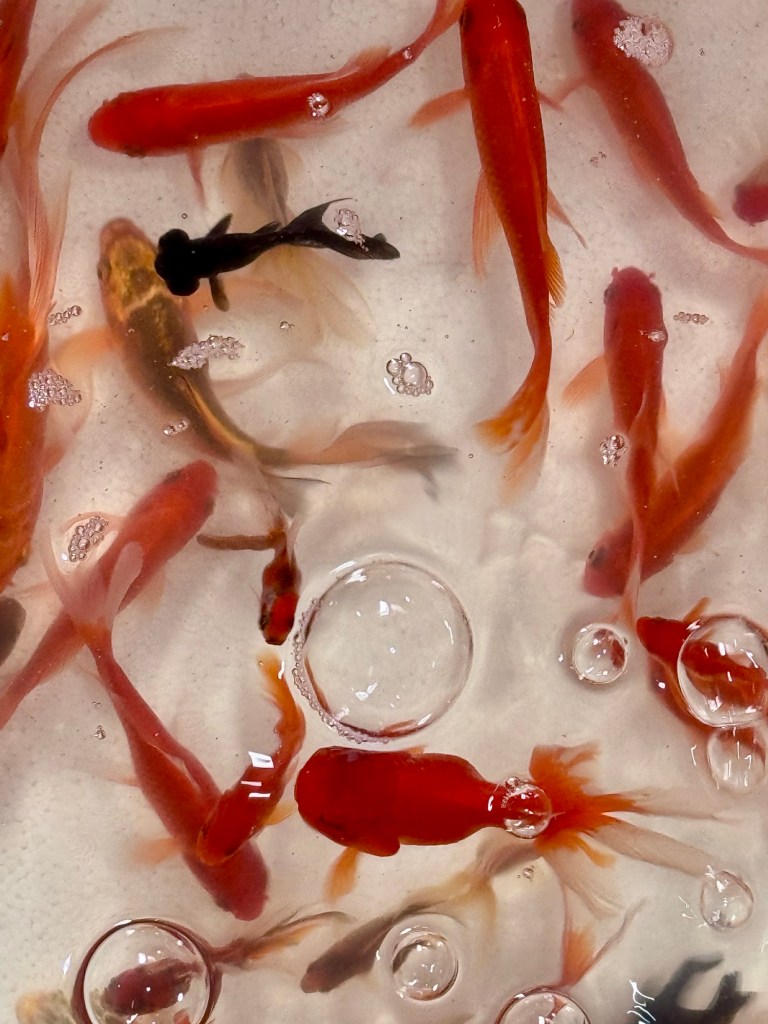
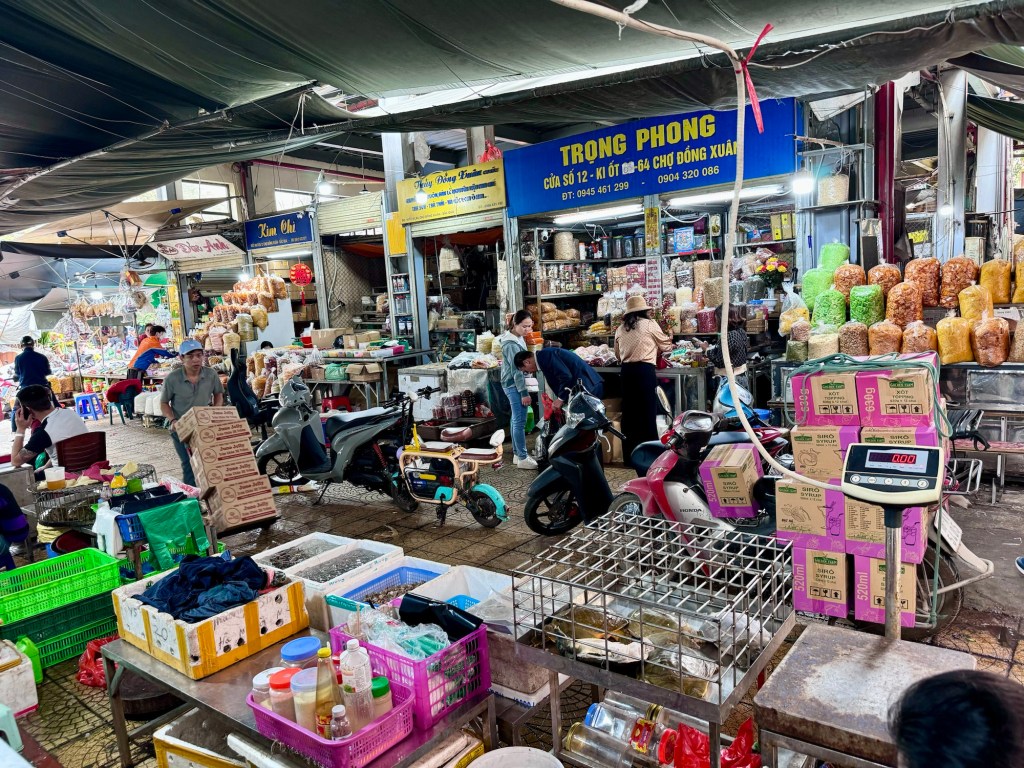
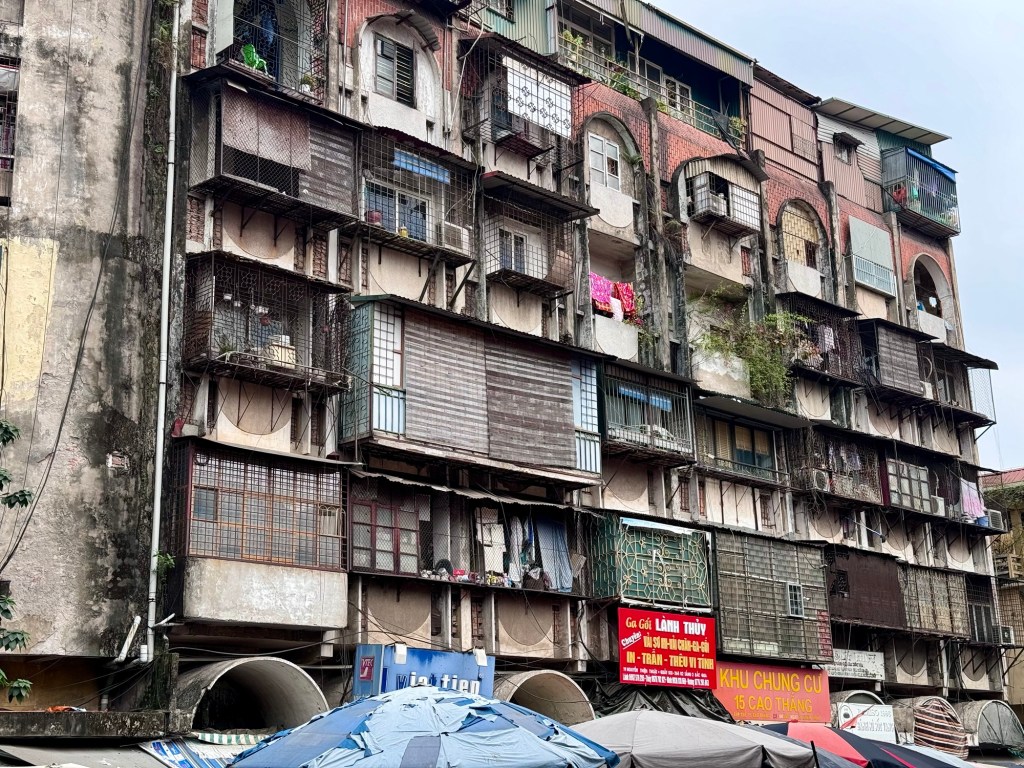
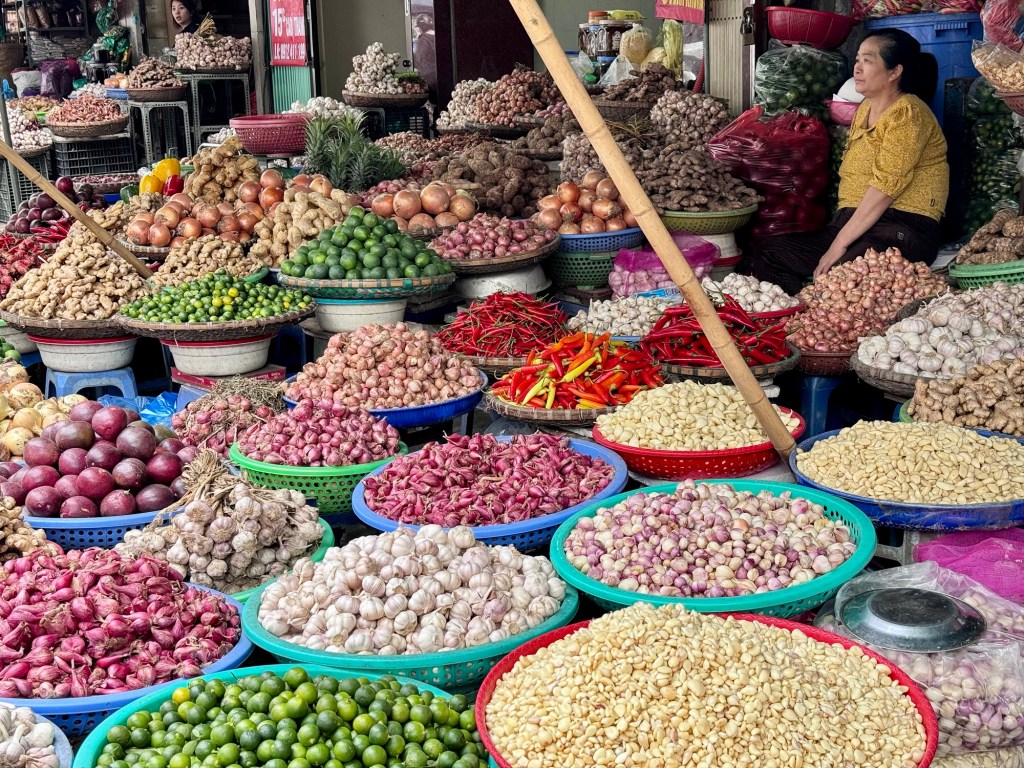
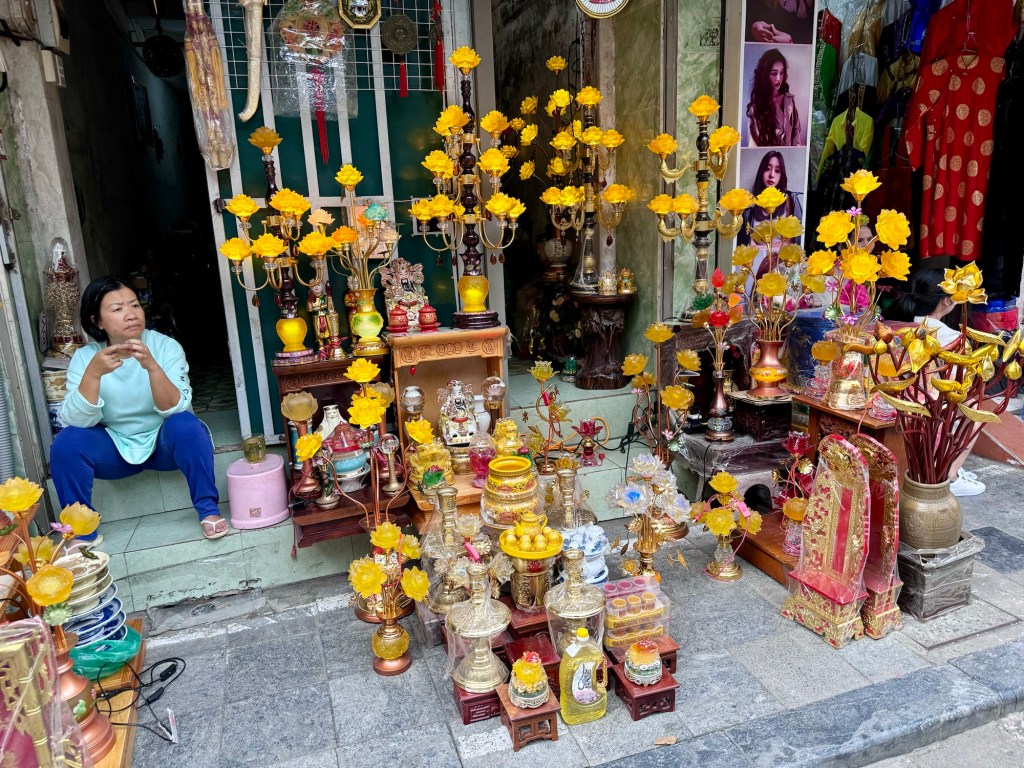
We then walked around the old quarter. In this bustling area, locals buy everything from noodles to Buddha statues. The 36 small streets are named after the goods sold in the shops (Tin Street, Bamboo Street, etc.).
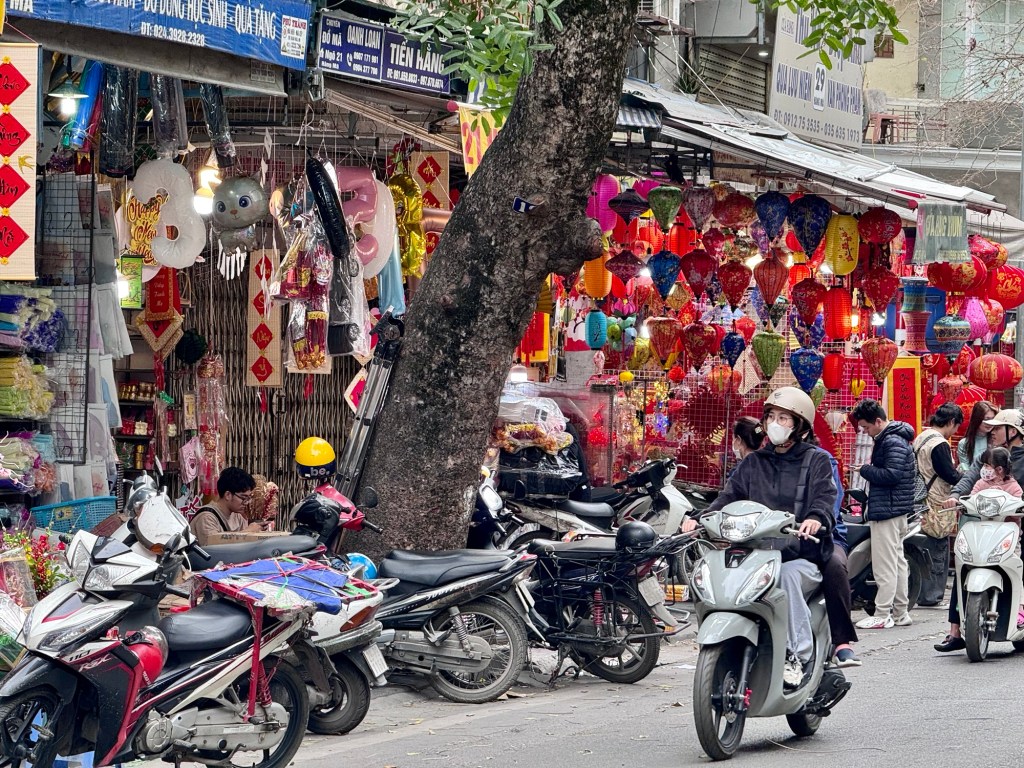
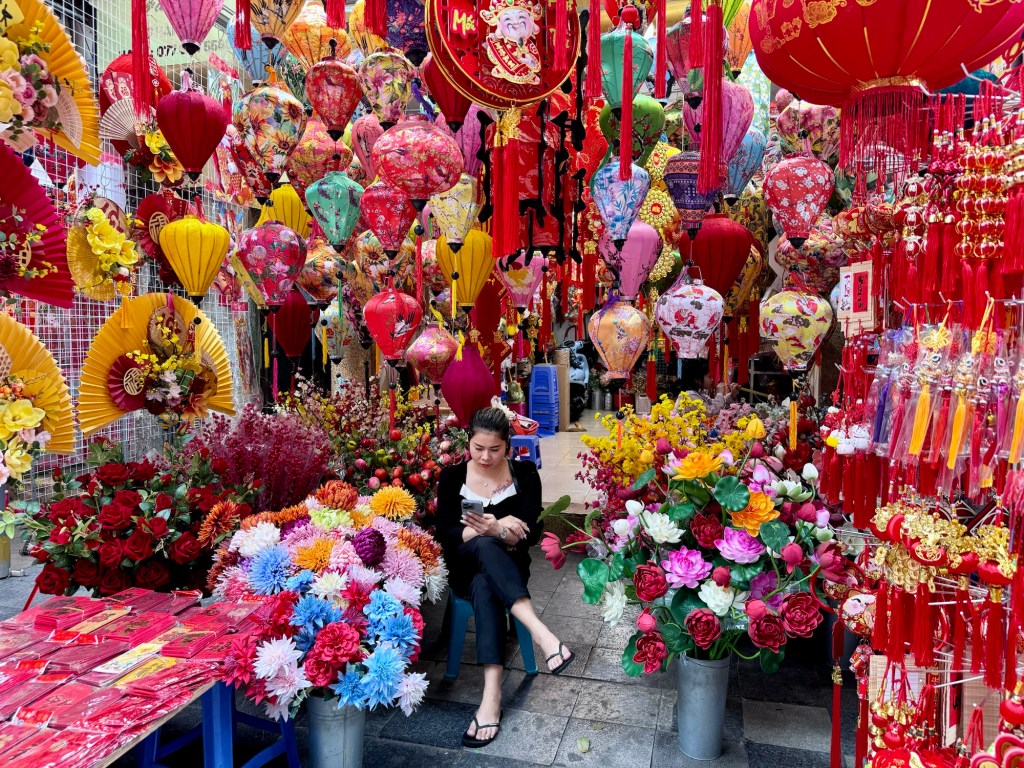
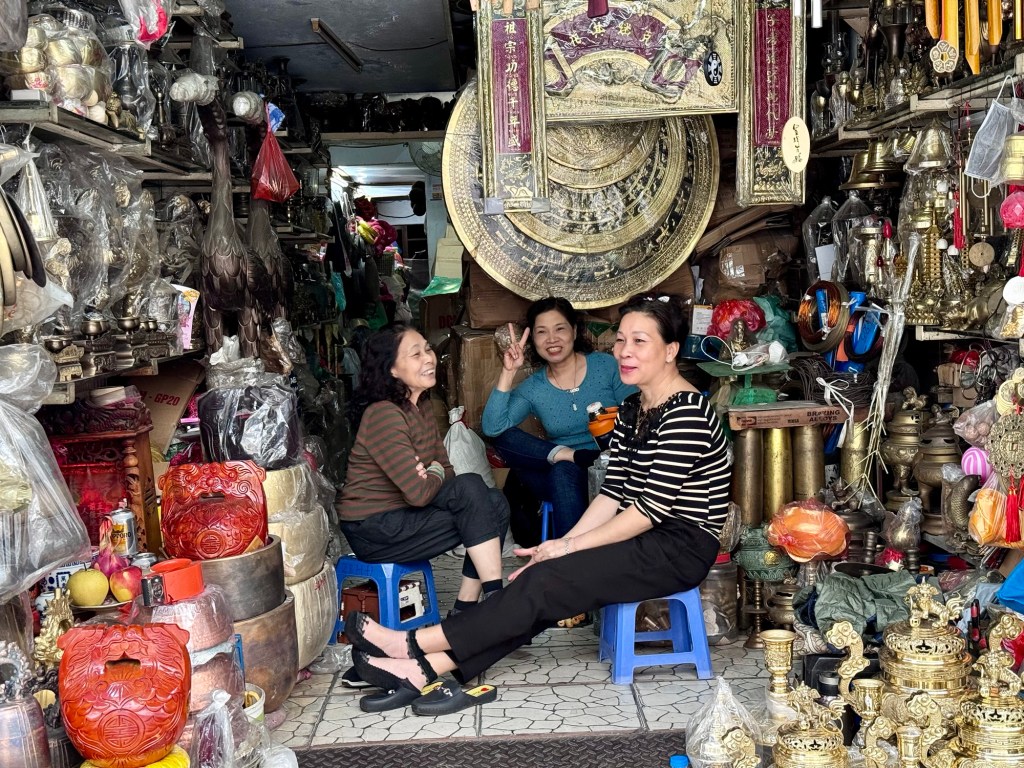
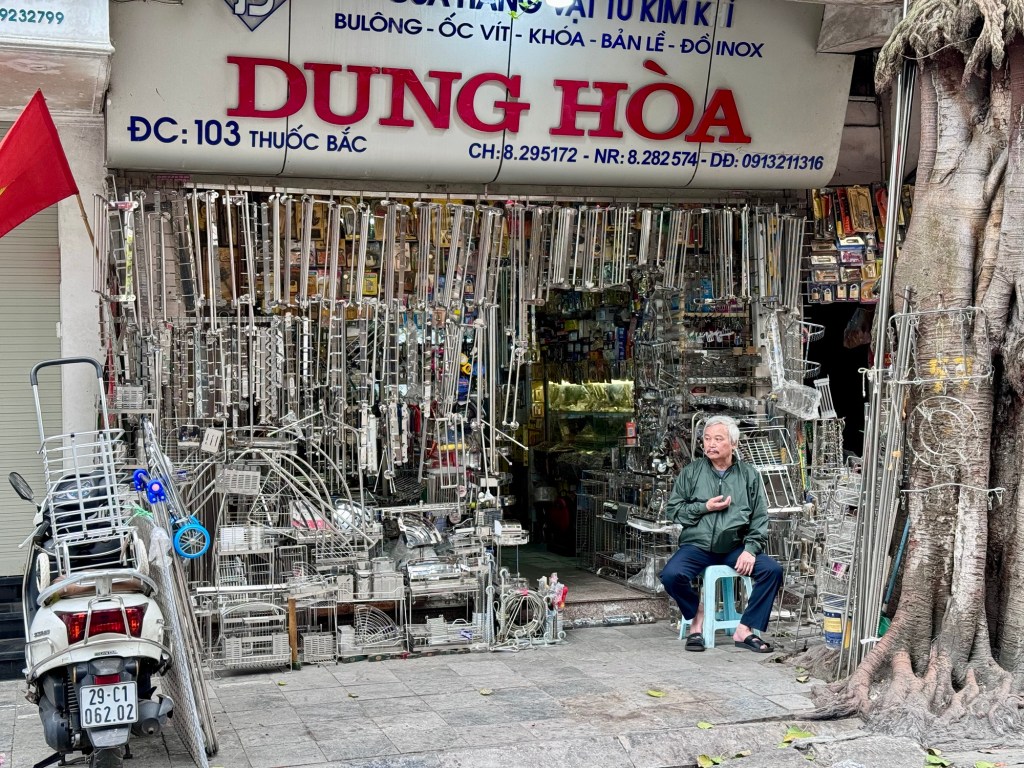
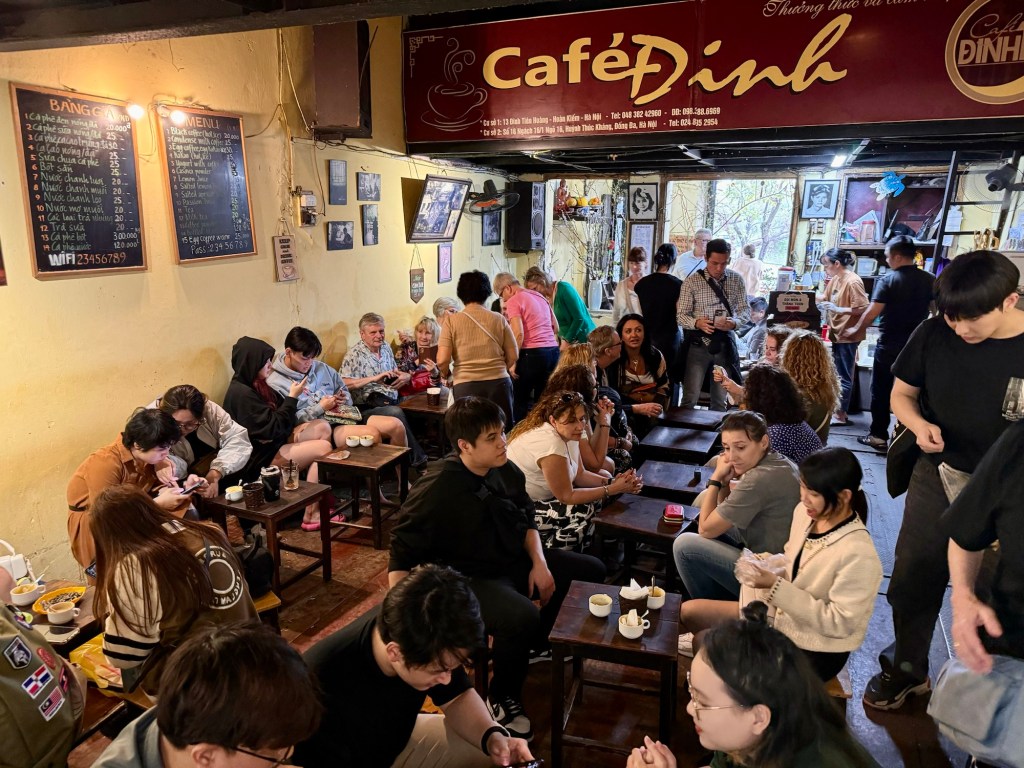
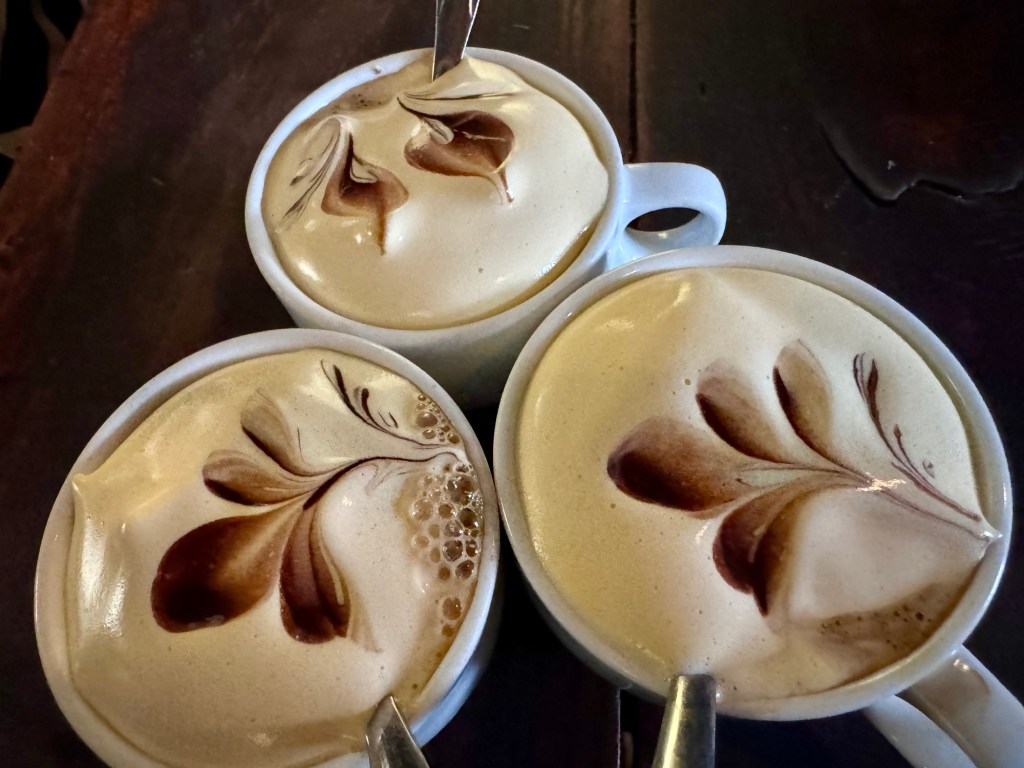
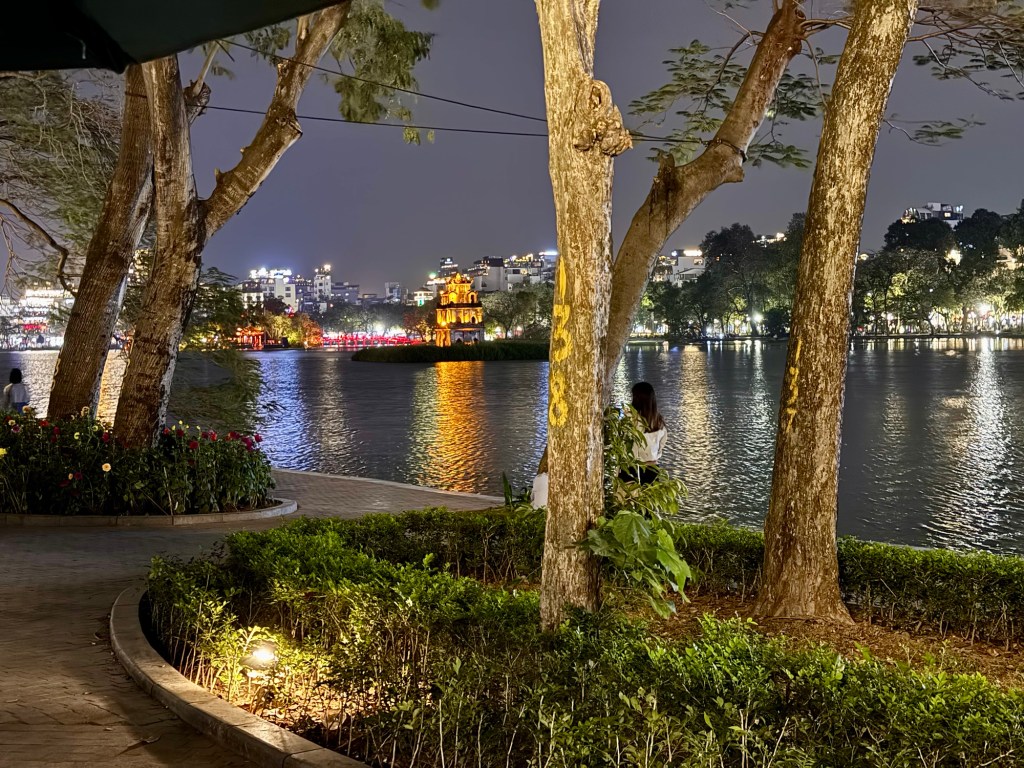
The walk concluded in the late afternoon with a cup of Vietnamese coffee close to the Hoàn Kiếm Lake.
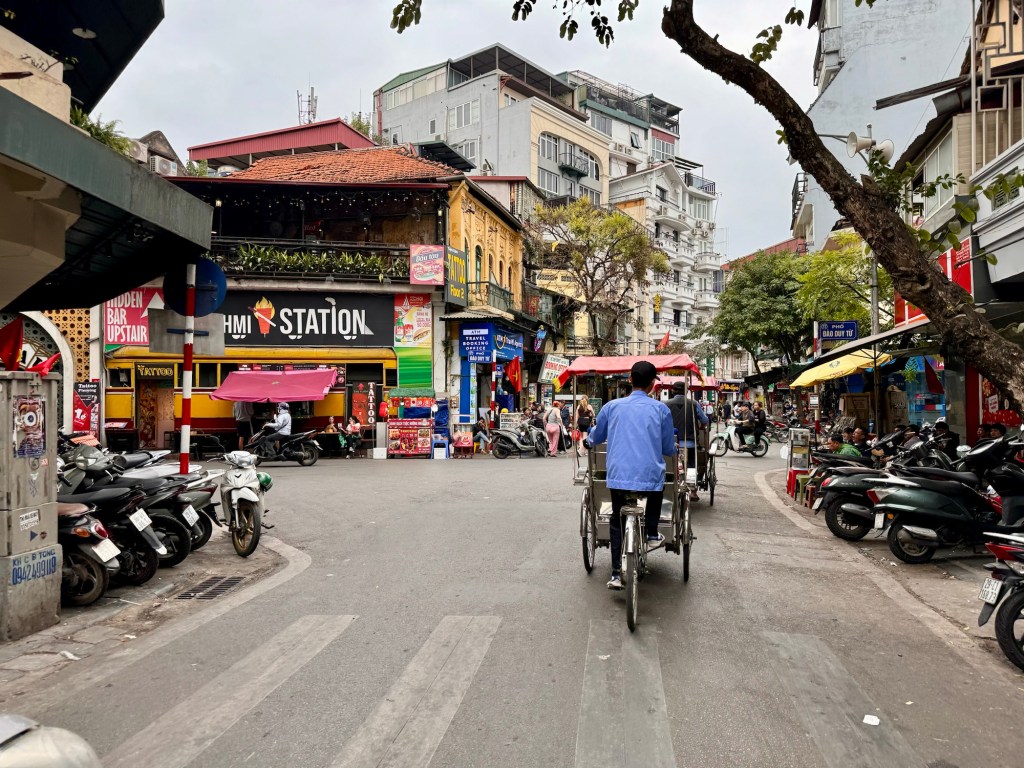
To unwind and savor the local scene, we hopped onto rickshaws for a half-hour tour around the Old Quarter back to the hotel, providing a perfect moment to reflect on the day’s experiences, but also to get a closer viewpoint to the flexible driving pattern of Hanoi
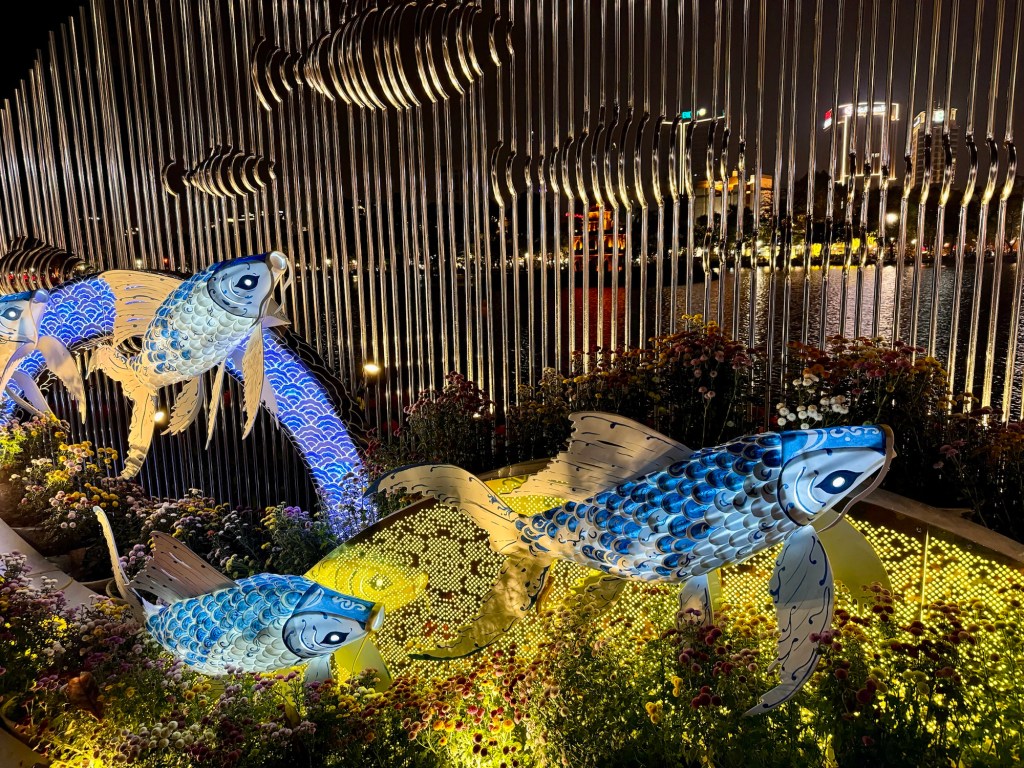
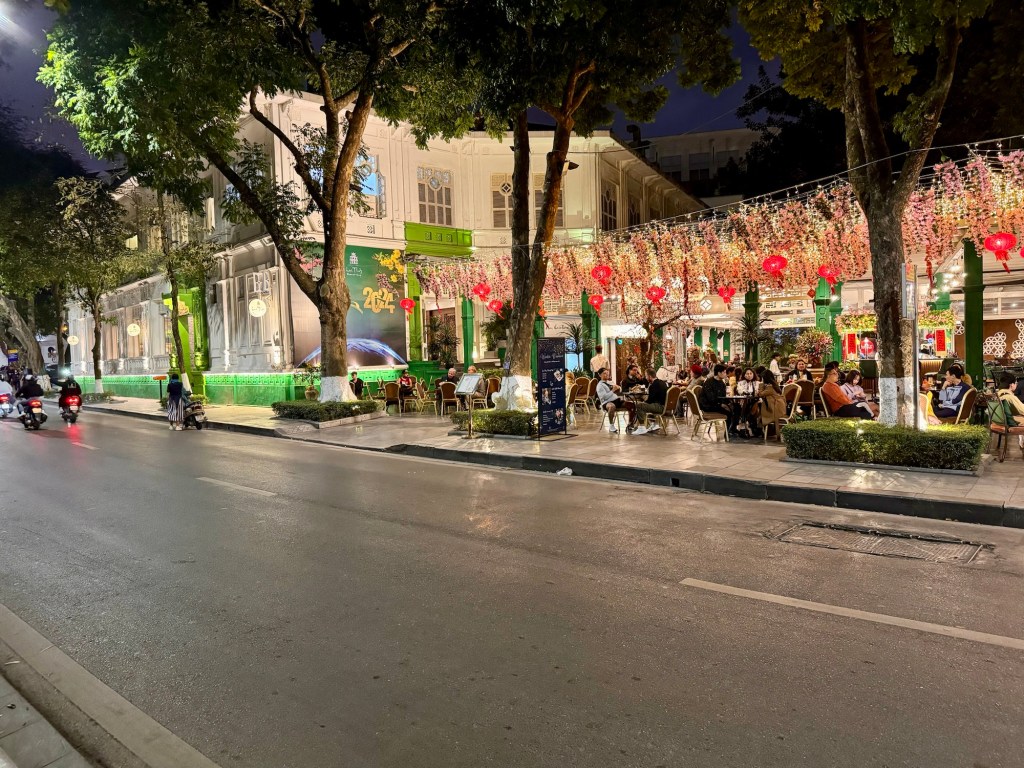
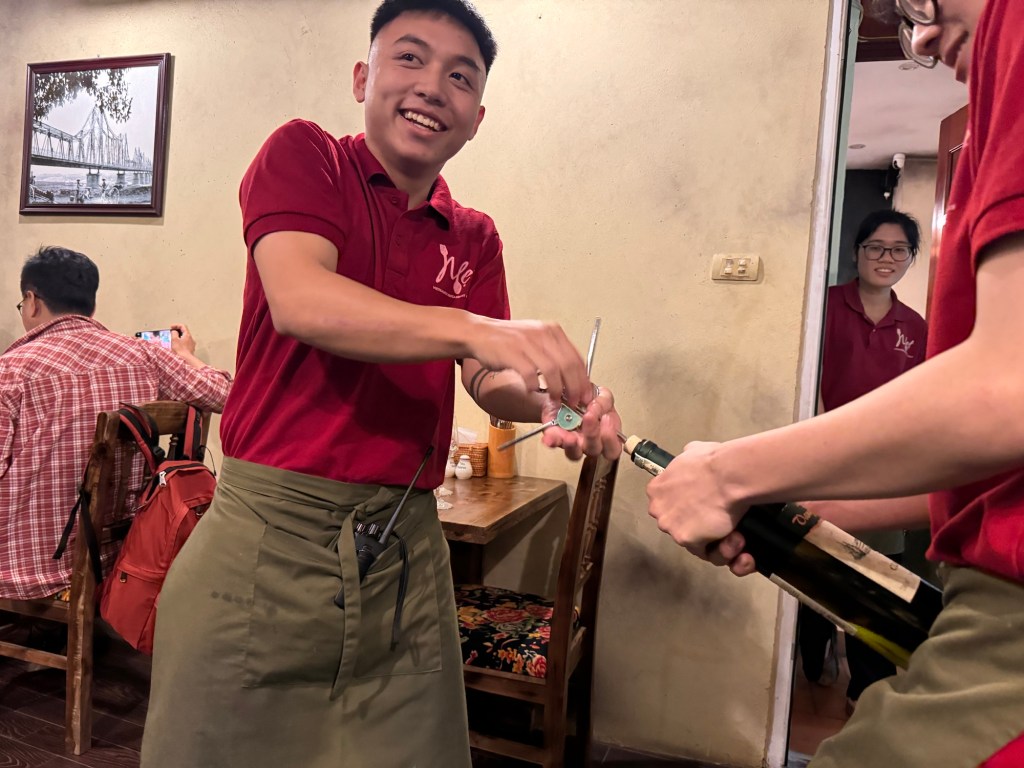
We ended the day with a nice evening walk and found a restaurant where we tasted Vietnamese wine for the first time. It was ok but a bit hard to get opened…
Free day tomorrow, no plans…
This blog post is part of the Indochina trip 2024 – see other blogs from the same trip
 Pellereiser